The Biology of a Masterpiece
Your brain makes an aesthetic judgment in one-third the time it takes to blink your eyes….[and] communicates this verdict—“extraordinary” or “ordinary”—directly to its pleasure and reward centers. Because this happens at 50 milliseconds, and the cognitive process required for identifying subject matter doesn’t begin until 150 milliseconds, your nervous system triggers an emotional response before the intellect has even had time to identify what it is looking at. The human brain is quite literally “hardwired” for aesthetic experience.
The Biology of a Masterpiece
If we are predisposed to judge aesthetic quality as ORIGINS suggests, can this be grounded in empirical evidence and validated by scientific inquiry?
Multiple breakthrough studies in the pioneering field of neuroaesthetics have proven that the human brain makes a judgment about the formal qualities of a work of art—whether they are "extraordinary or ordinary," "profound or generic"—within 50 milliseconds of viewing them.
Let’s put that into perspective, A single eye blink takes 100 to 150 milliseconds. Your brain makes an aesthetic judgment in one-third the time it takes to blink your eyes.
Your brain communicates this verdict—“extraordinary” or “ordinary”—directly to its pleasure and reward centers. Because this happens at 50 milliseconds, and the cognitive process required for identifying subject matter doesn’t begin until 150 milliseconds, your nervous system triggers an emotional response before the intellect has even had time to identify what it is looking at. The human brain is quite literally “hardwired” for aesthetic experience.
Neuroscientists have recently discovered that truly masterful compositions—where the formal composition of a work achieves a precise visual tension—evoke massive immediate spikes in neural activity. Conversely, an ordinary or poorly composed work triggers a weak, scattered response; the brain recognizes mediocrity instantly and dismisses it.
But a work of formal complexity that rewards the eye traps the visual system in a loop of deep engagement, activating the networks necessary for inward reflection and memory. Even more remarkable is that this all happens pre-consciously, before you even take a conscious breath.

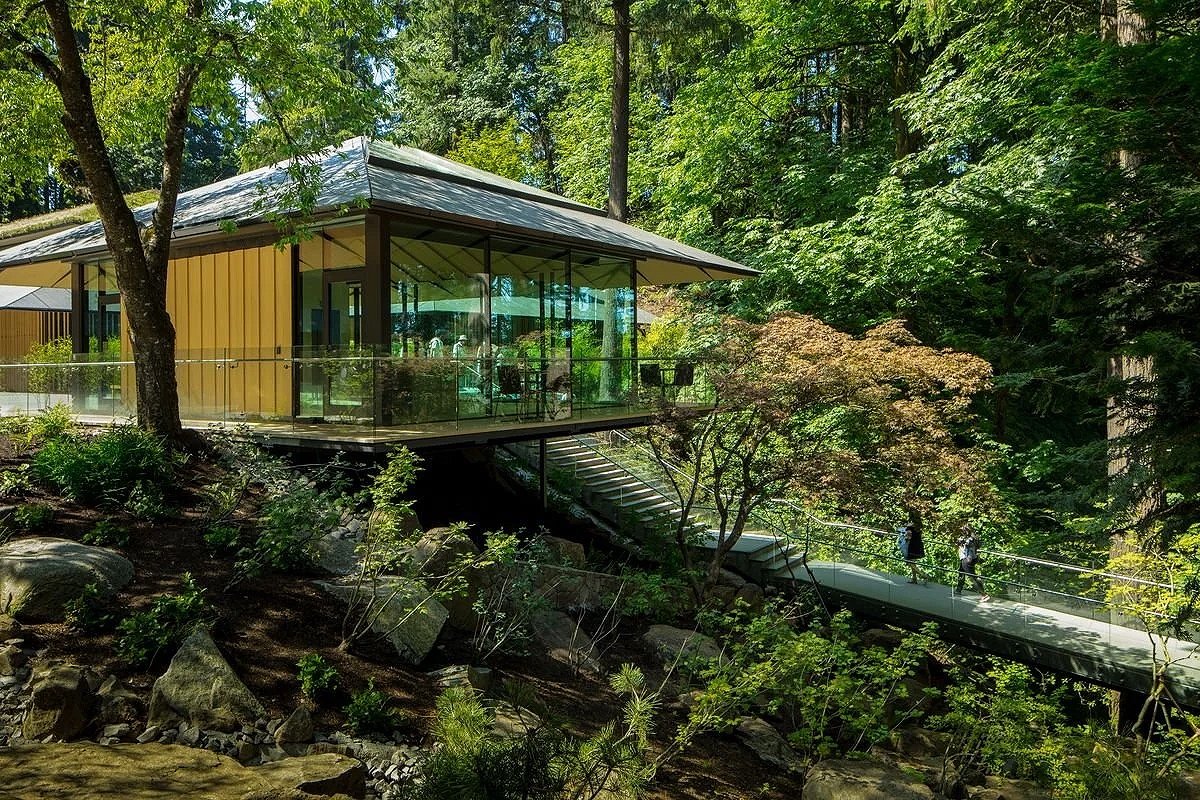
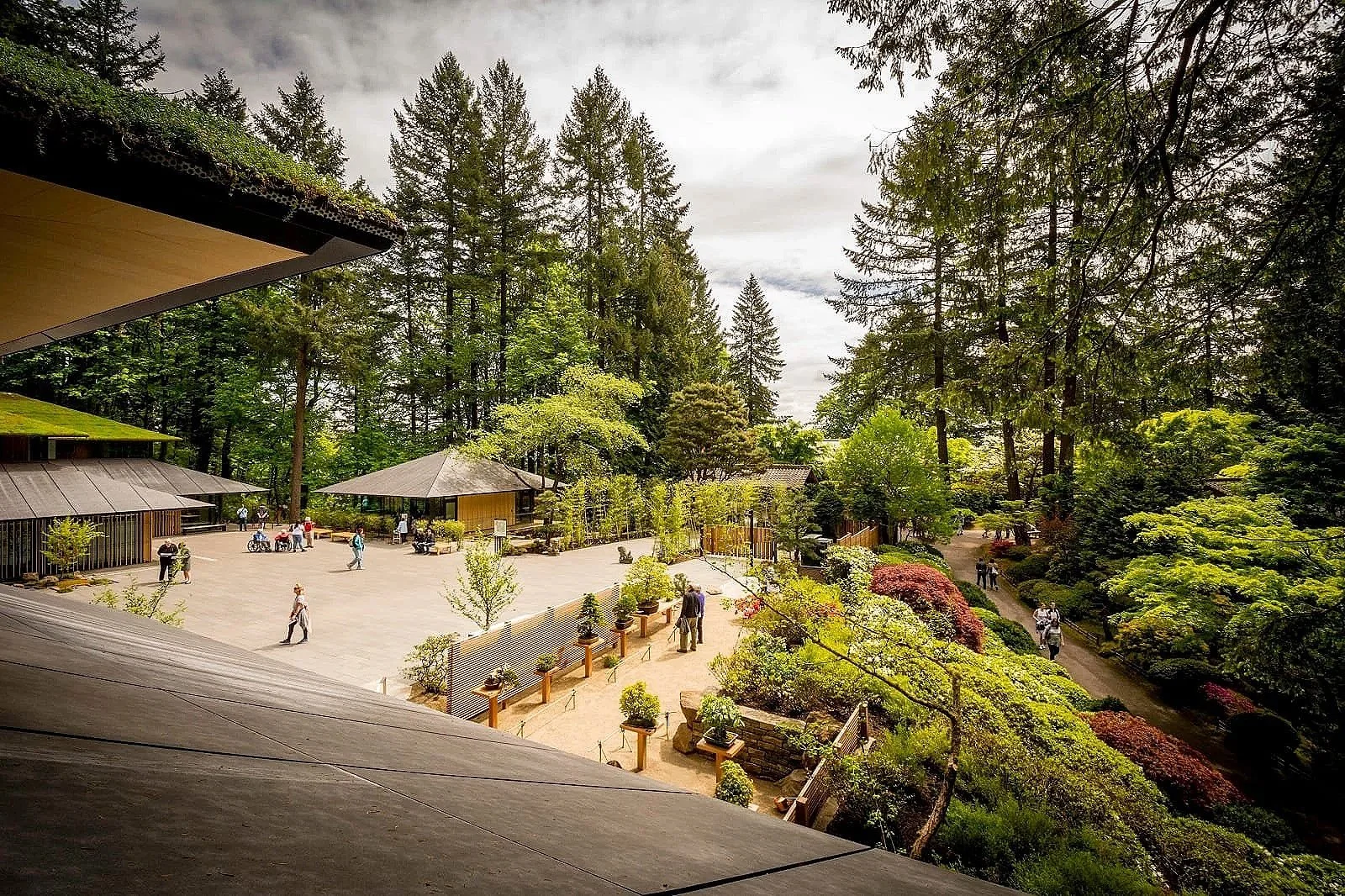
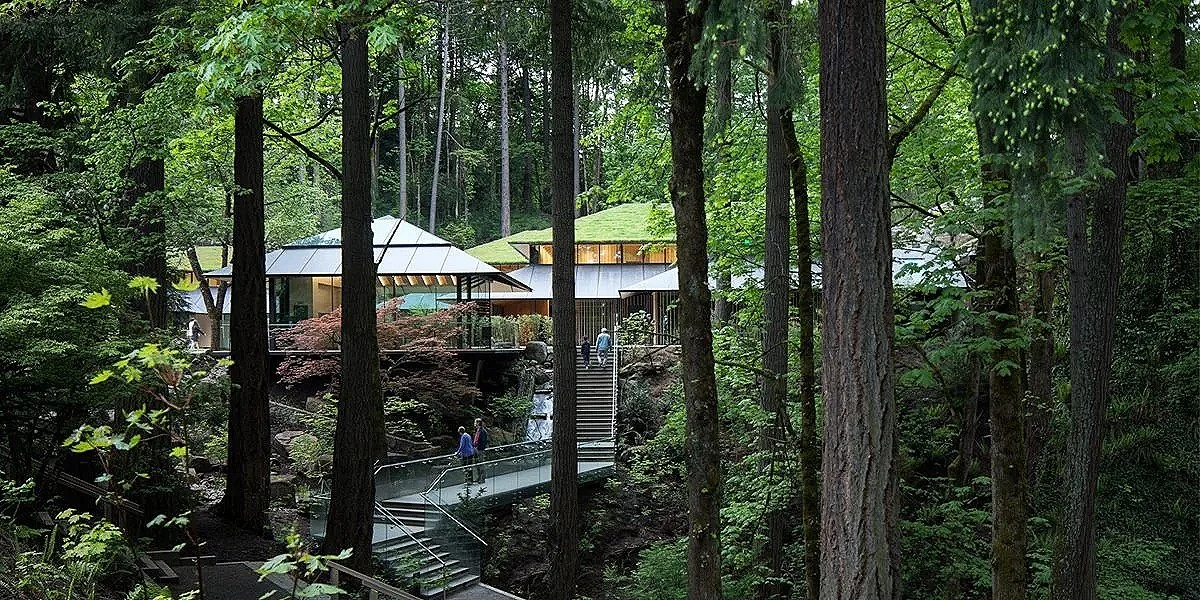
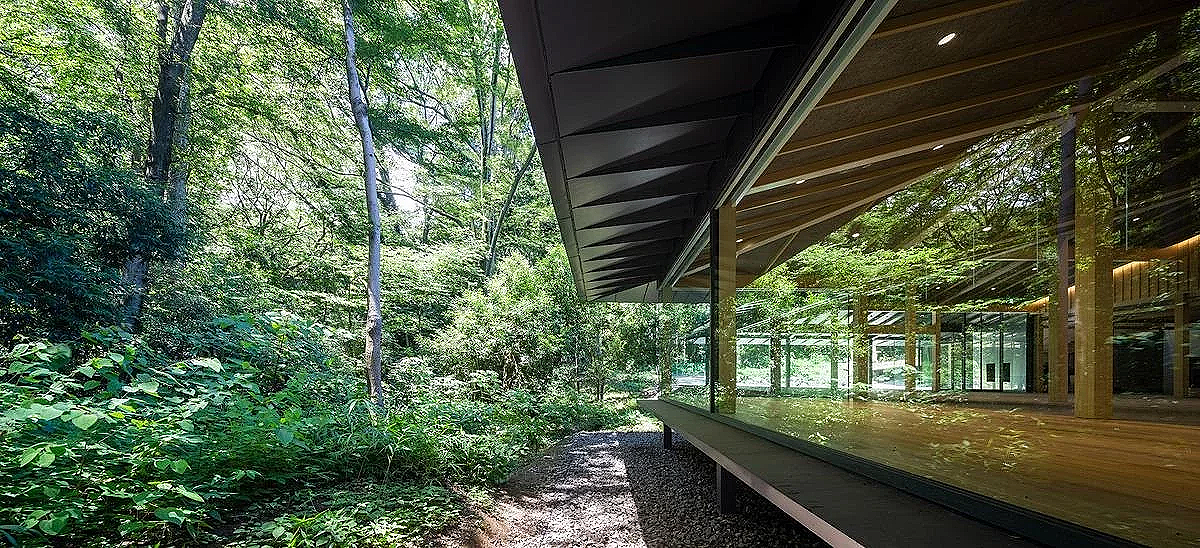
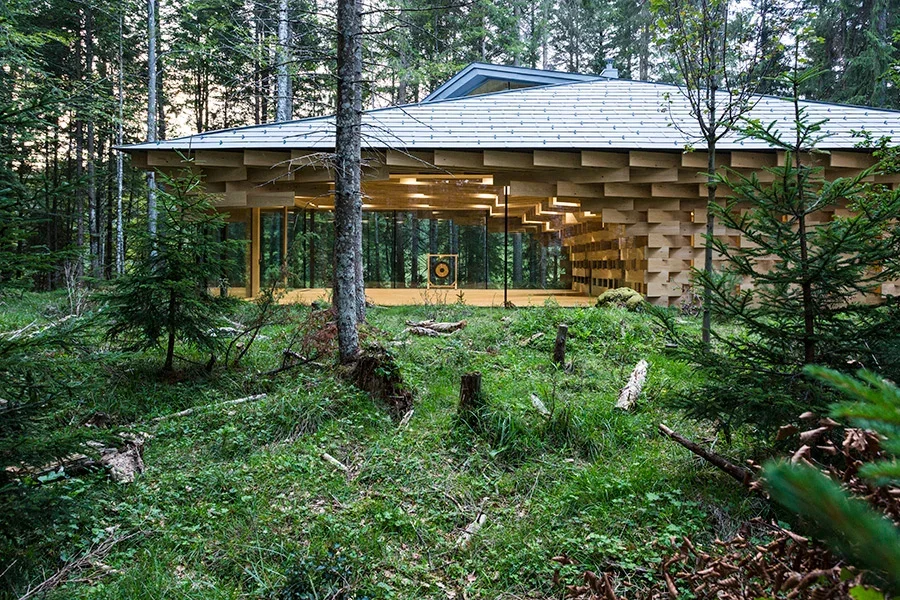
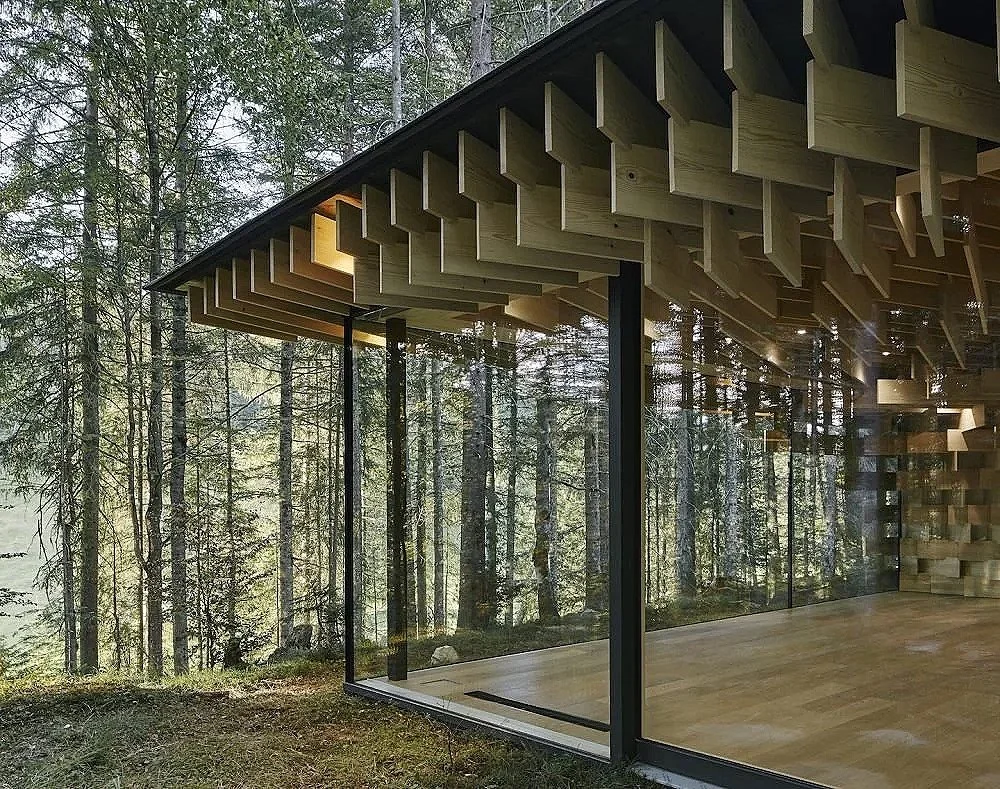
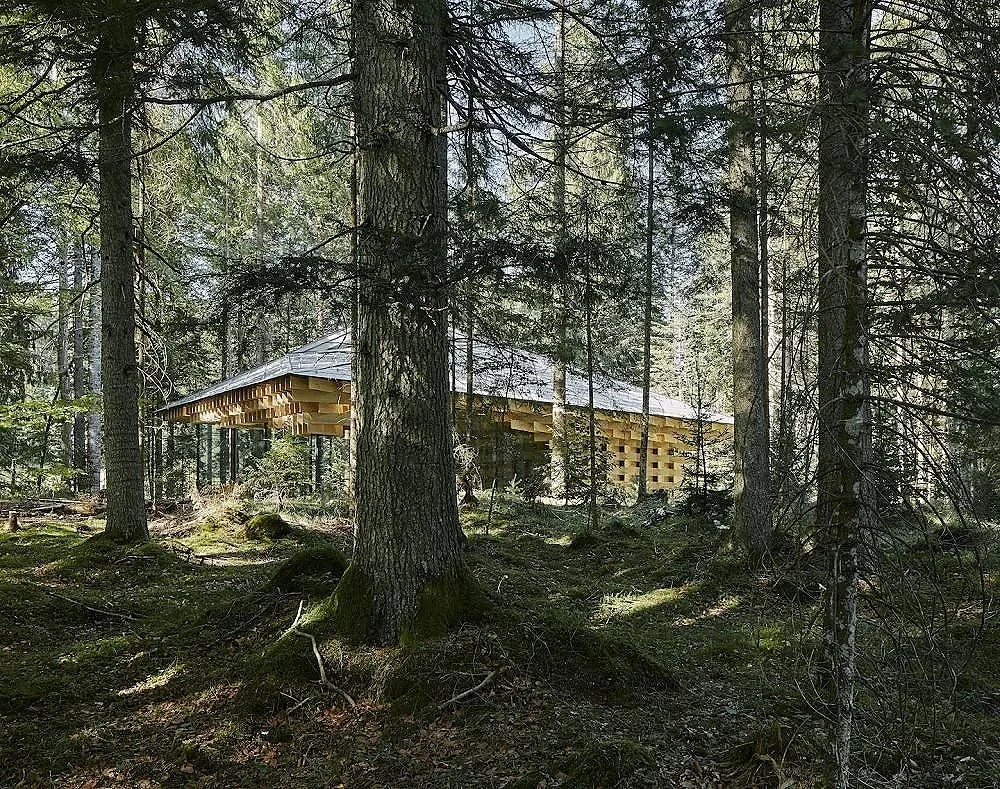
Kengo Kuma, The Portland Botanical Gardens
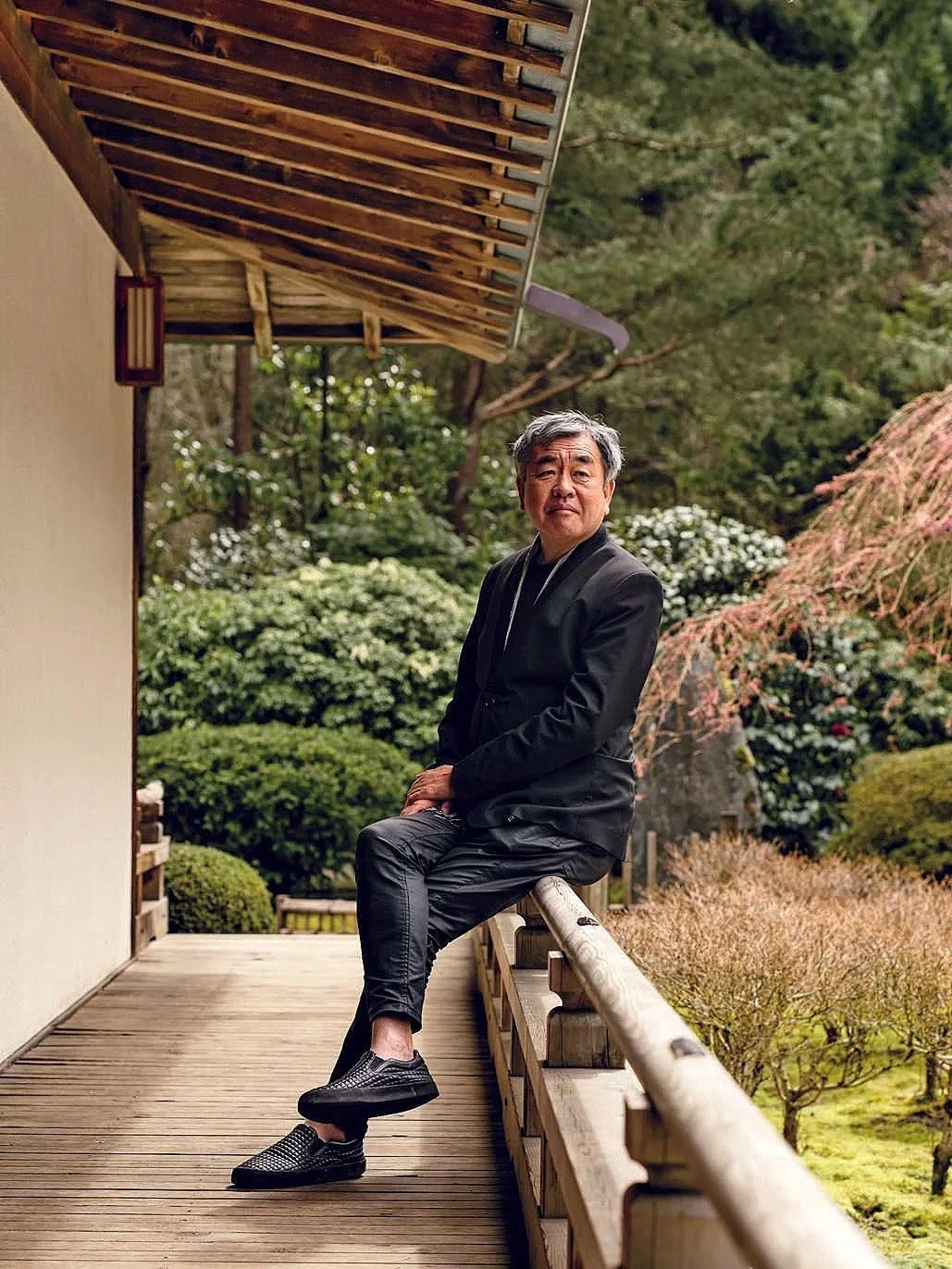
Kengo Kuma
To build our cultural village, we went to its origins…
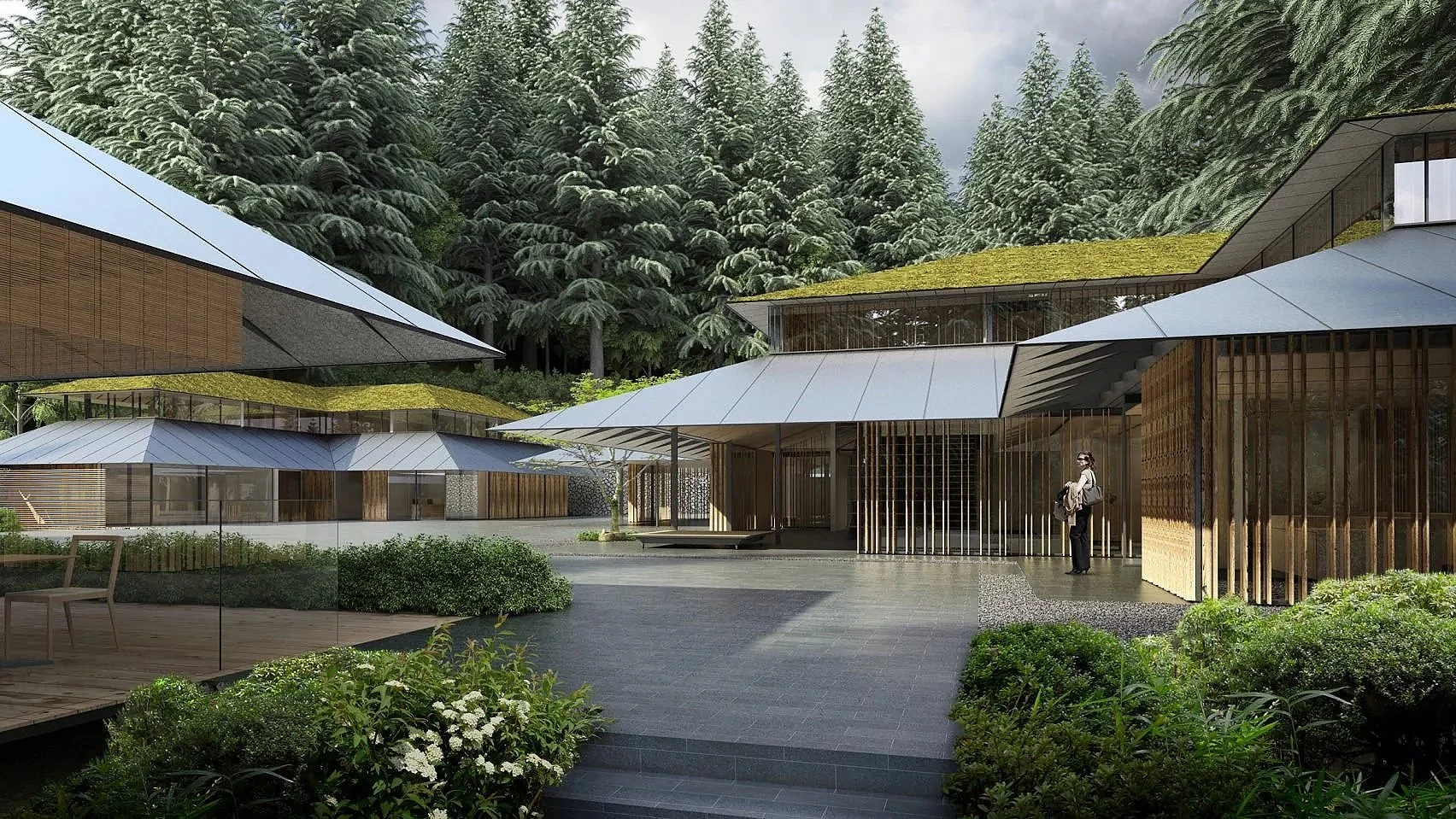
Although not the first to develop a cultural village—its birth dates to the late 19th century—the architect Kengo Kuma is instrumental in combining the concept with traditional Japanese monzenmachi—towns that developed just outside the gates of sacred shrines and temples. Disenchanted with the concrete edifices he was designing as a young architect, Kuma retreated to the Japanese countryside and immersed himself in rural traditions. Here, surrounded by the dense Japanese forest, he learned the value of dissolving any boundary that obstructed the unity of a built environment with its surrounding landscape. This led him to abandon the imposing “object” architecture of new museum construction. By dispersing all of the functions of an art museum to a loose cluster of small-scale, low-lying pavilions, he discovered a method of construction that conformed to—not dominate over—the existing landscape.
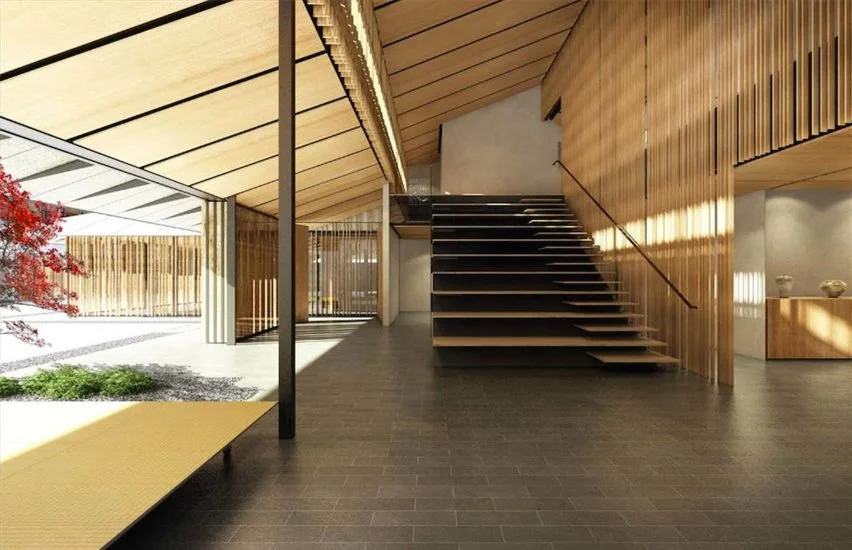
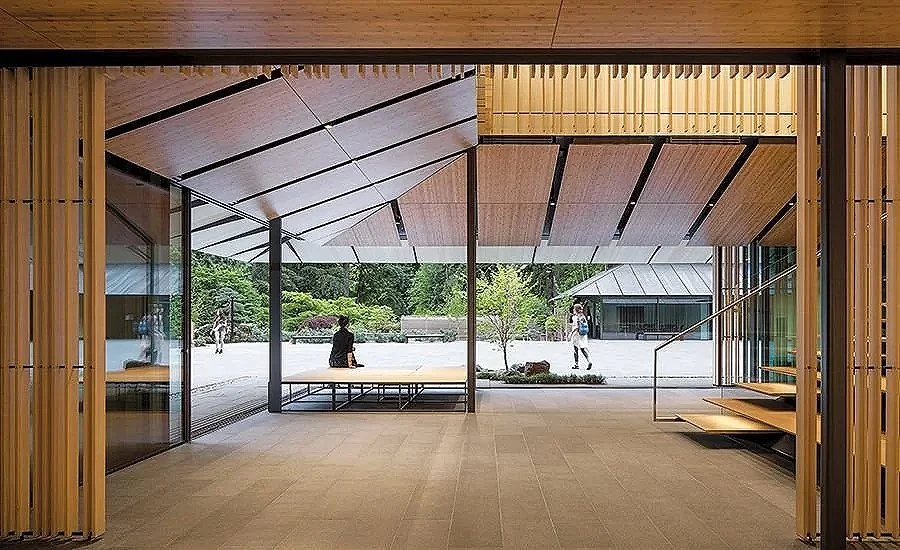
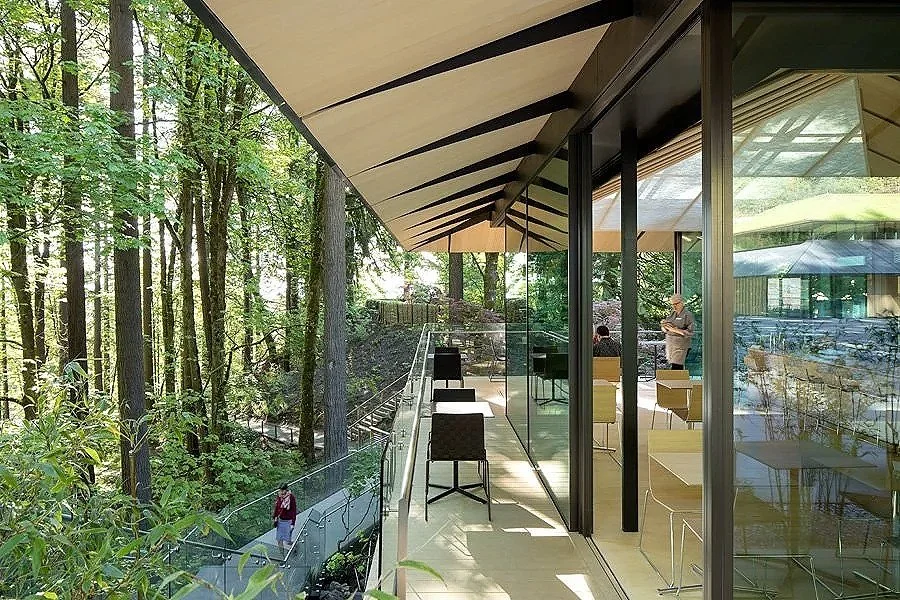
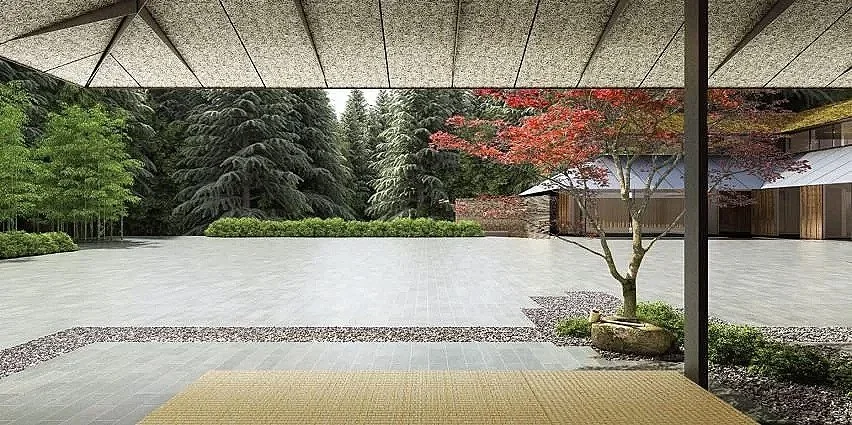
Kengo Kuma’s best known project is the cultural village he designed in 2017 for the Portland Botanical Gardens. A superb example of the seamless union between built and natural environments, the project illustrates Kuma’s unwavering commitment to locally-sourced construction material. The complex is composed almost entirely of timber and stone—and includes the unusual use of sod as a roofing material. The architectural design is clean, austere and without ornament. Kuma’s inventive use of wood screens in both the interiors and exteriors of the pavilions demonstrates his sensitivity to natural light and embodies the Japanese concept of “komorebi”—dappled light that filters through trees. Included in the village are galleries, a bookstore, cafe, library and administrative offices.
For Artists
Kengo Kuma, The Portland Botanical Gardens