
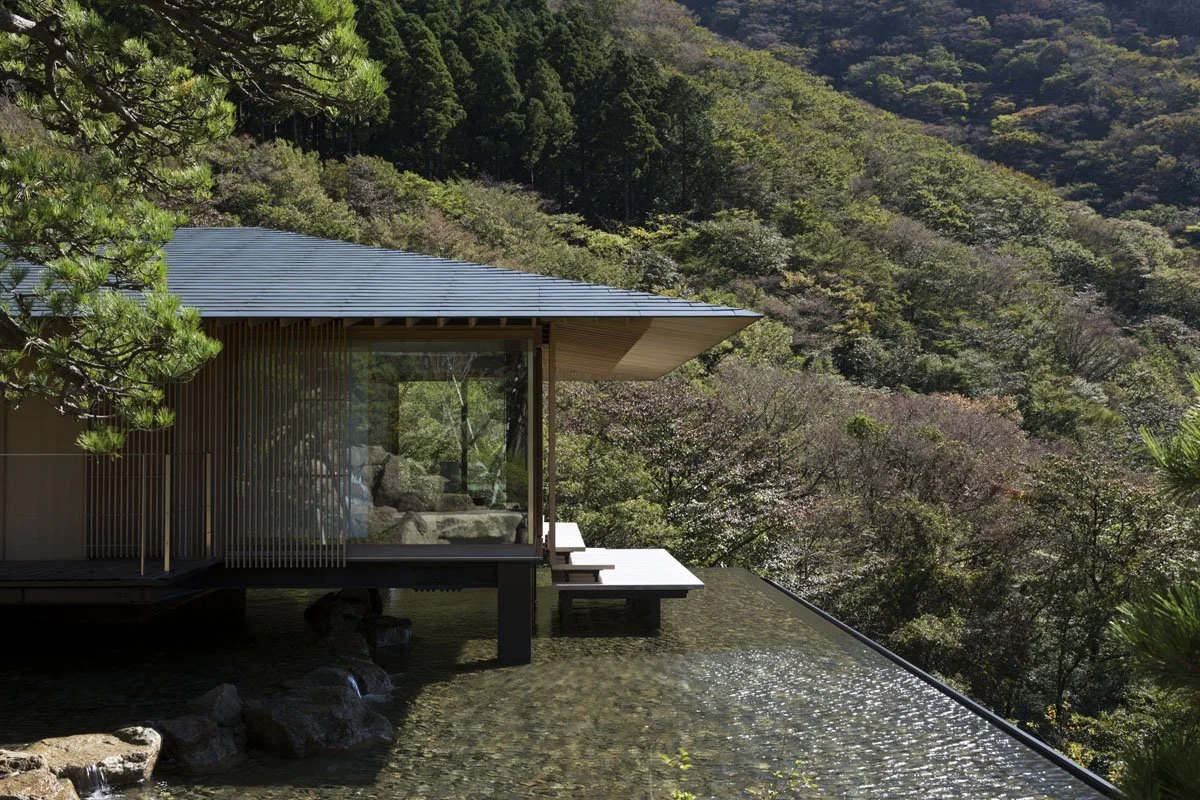
The New ORIGINS Sanctuary
The New ORIGINS Sanctuary
At ORIGINS we are reimagining the art museum as a modern sanctuary—a place designed for the deepest possible experience of art’s beauty. This experience is innate and a natural part of all of us. It is embedded in our ancient nature and exists to rouse our senses to a state of responsive happiness.
In a world of noise, haste, and ideology, we create the conditions for a private, unhurried encounter with a masterpiece. This is not mere admiration of an object. It is the act of surrendering to the work and allowing it to evoke a resonant emotional response—a moment of clarity and completeness that draws us to look longer and more carefully.
Each gallery pavilion is designed for this experience. Modest in scale and free of distraction, the spaces use low ceilings, generous spacing of artwork, restrained natural light, soft acoustics, and a rhythm of gallery to garden that allows the formal power of the artwork reach the viewer directly.
This is the physical expression of our philosophy. The Cultural Village is a sanctuary for the pure, sensual encounter with great art.
Our Pavilions are Influenced by Japanese Design
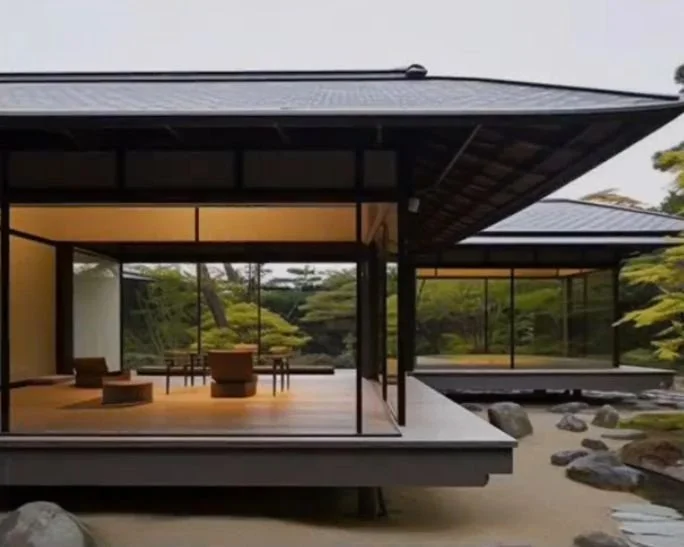
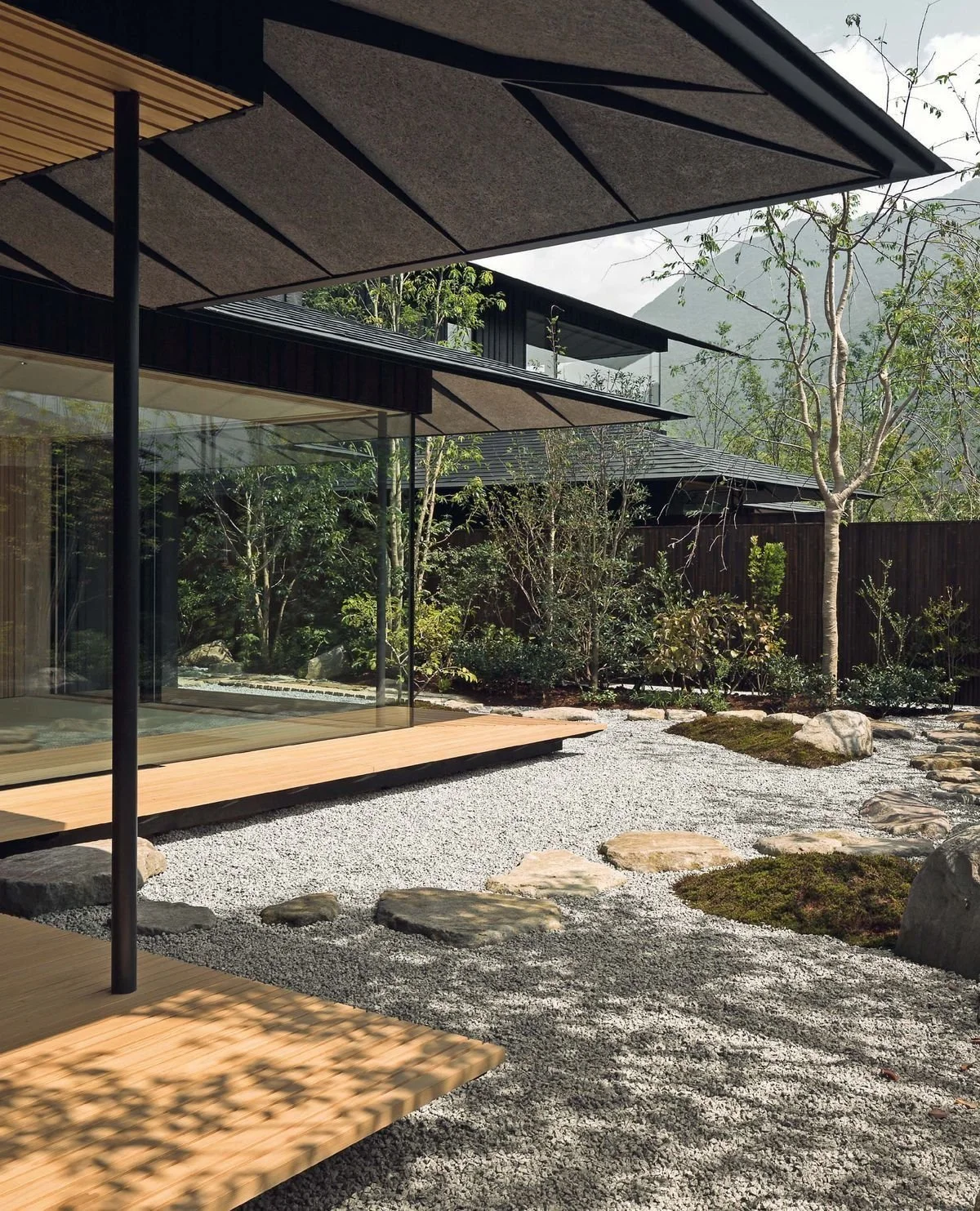
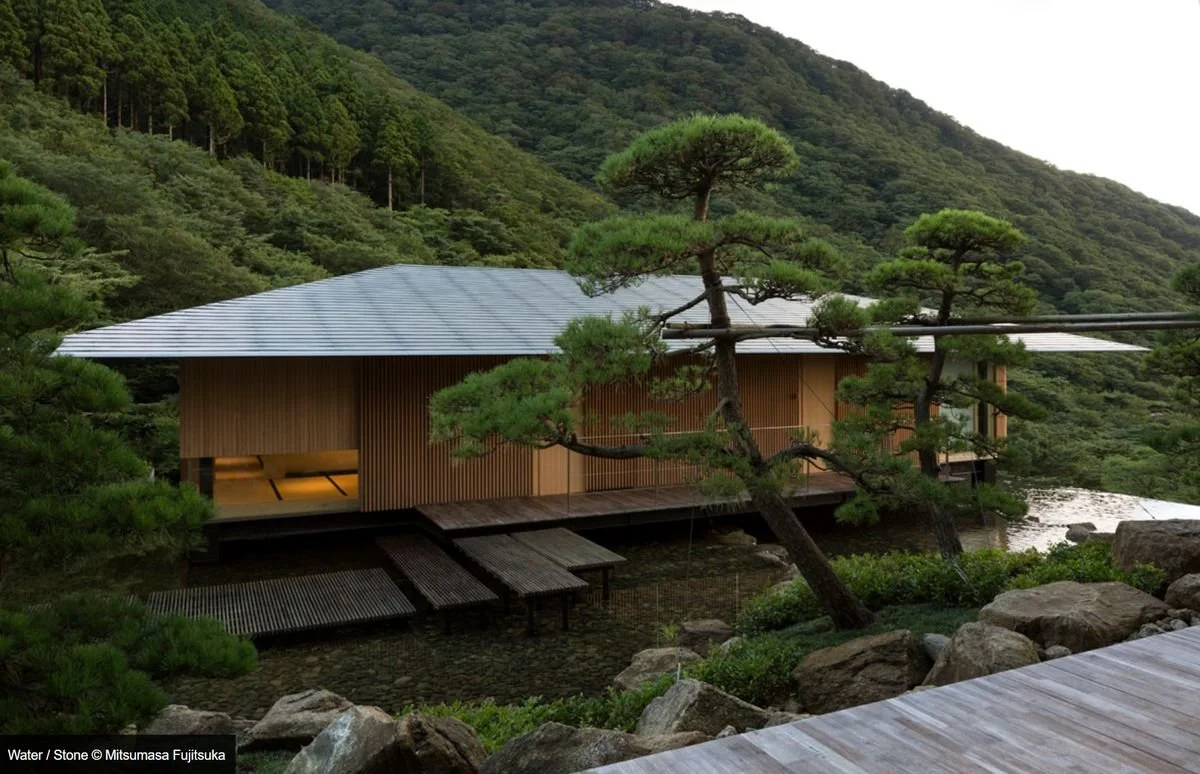
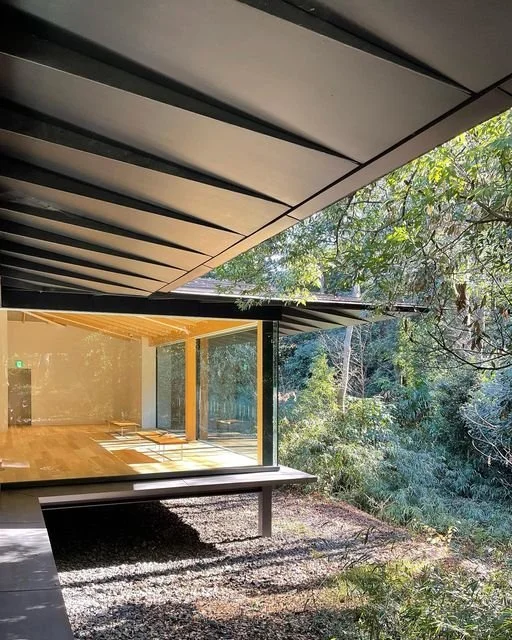
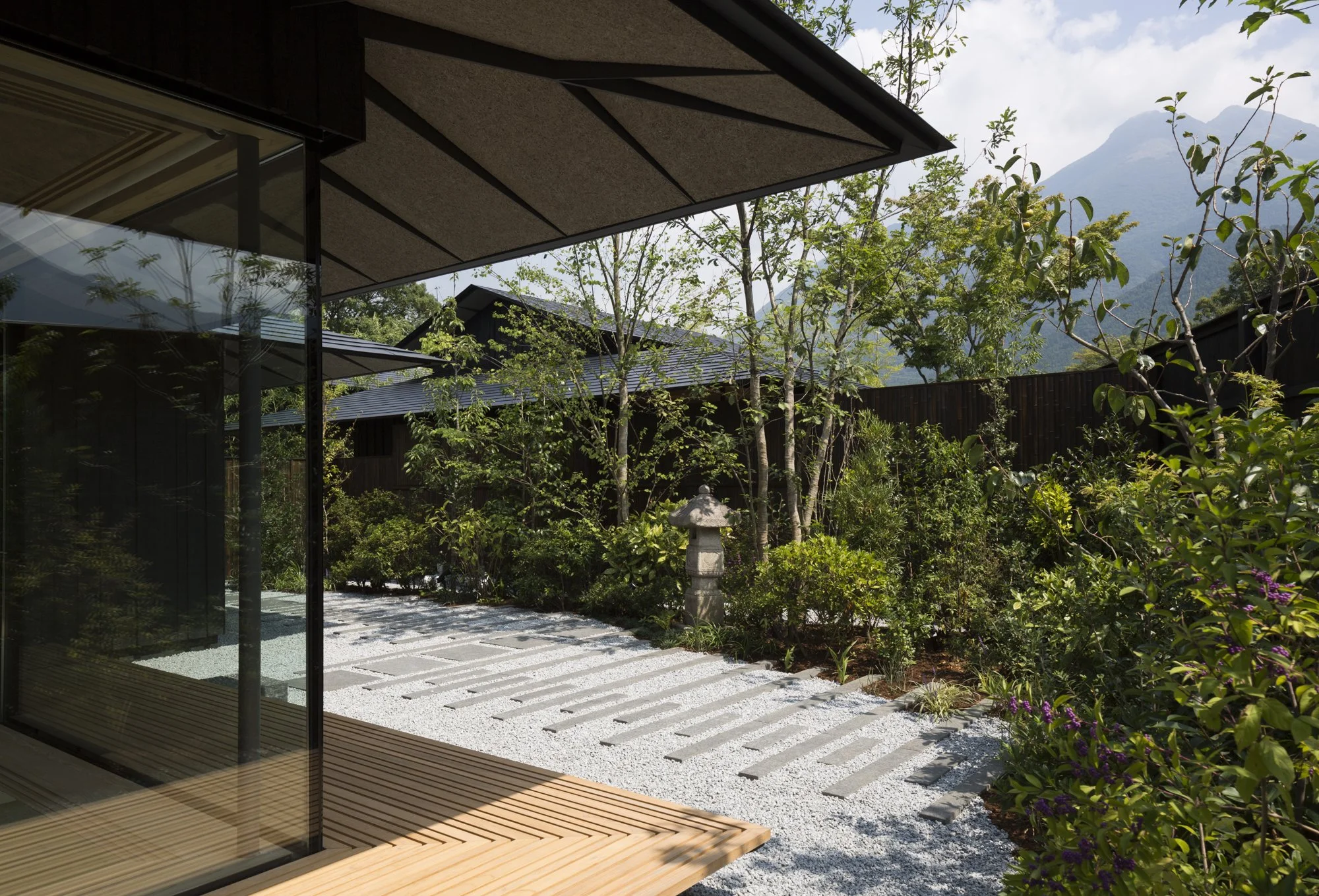
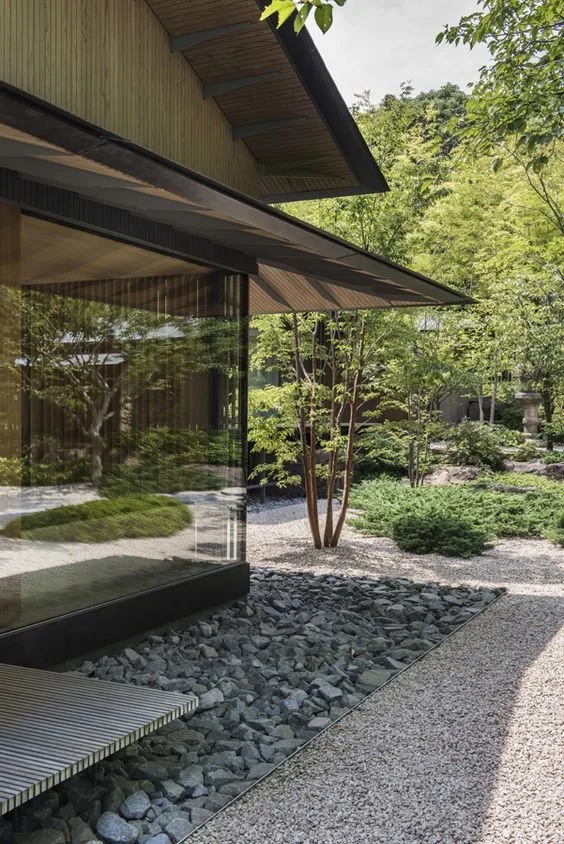
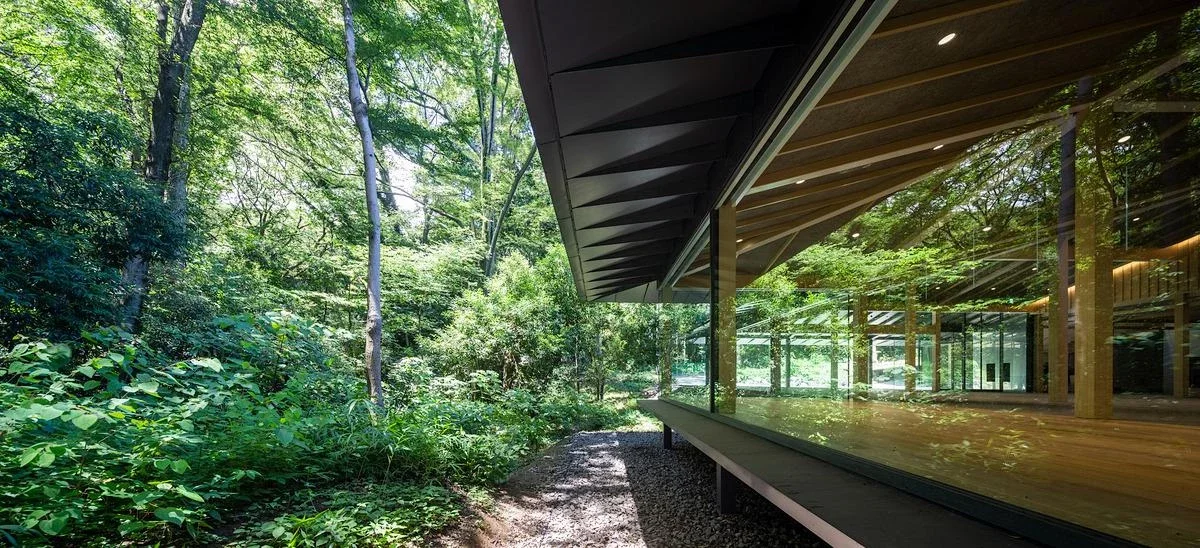
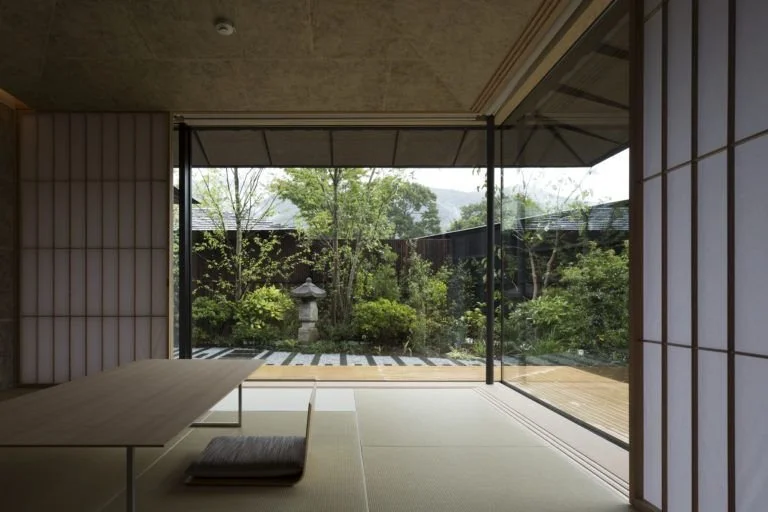
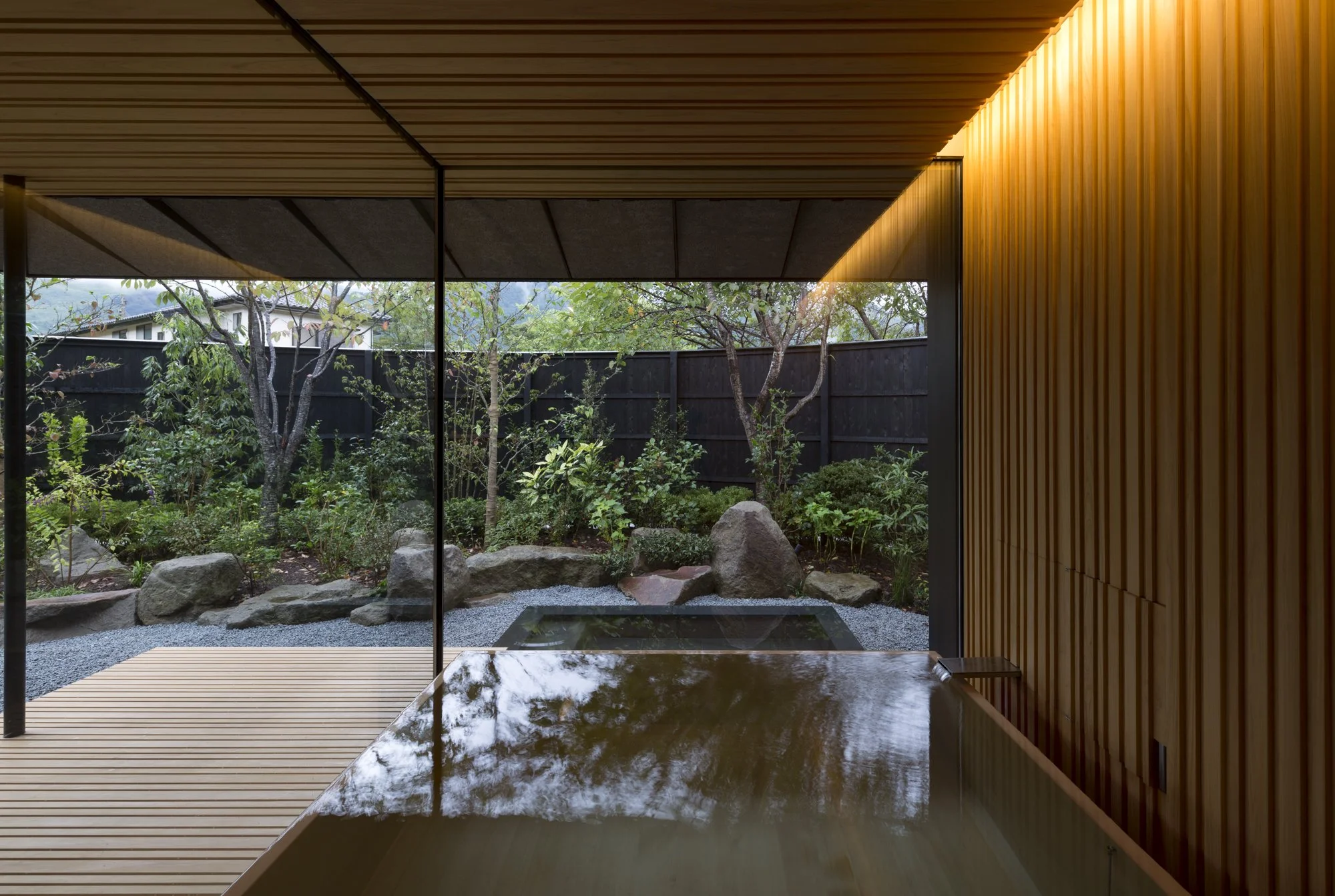
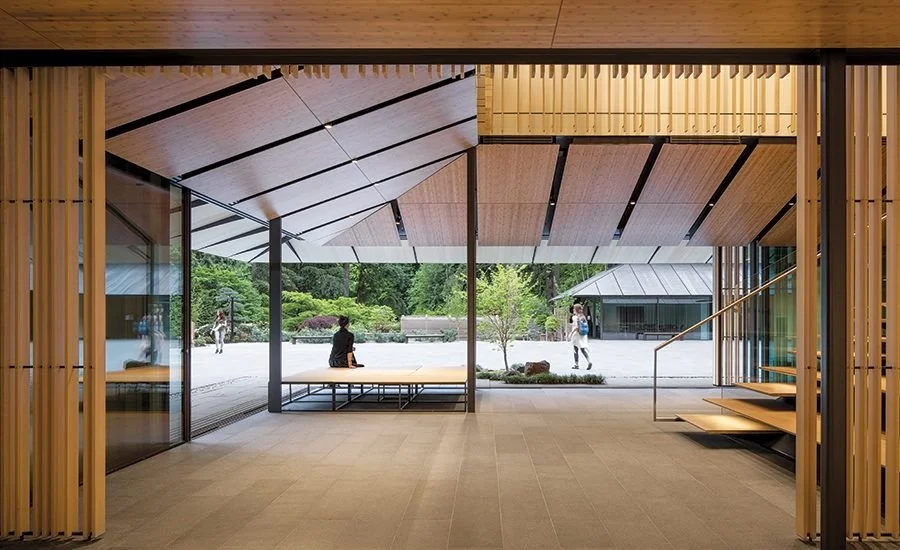
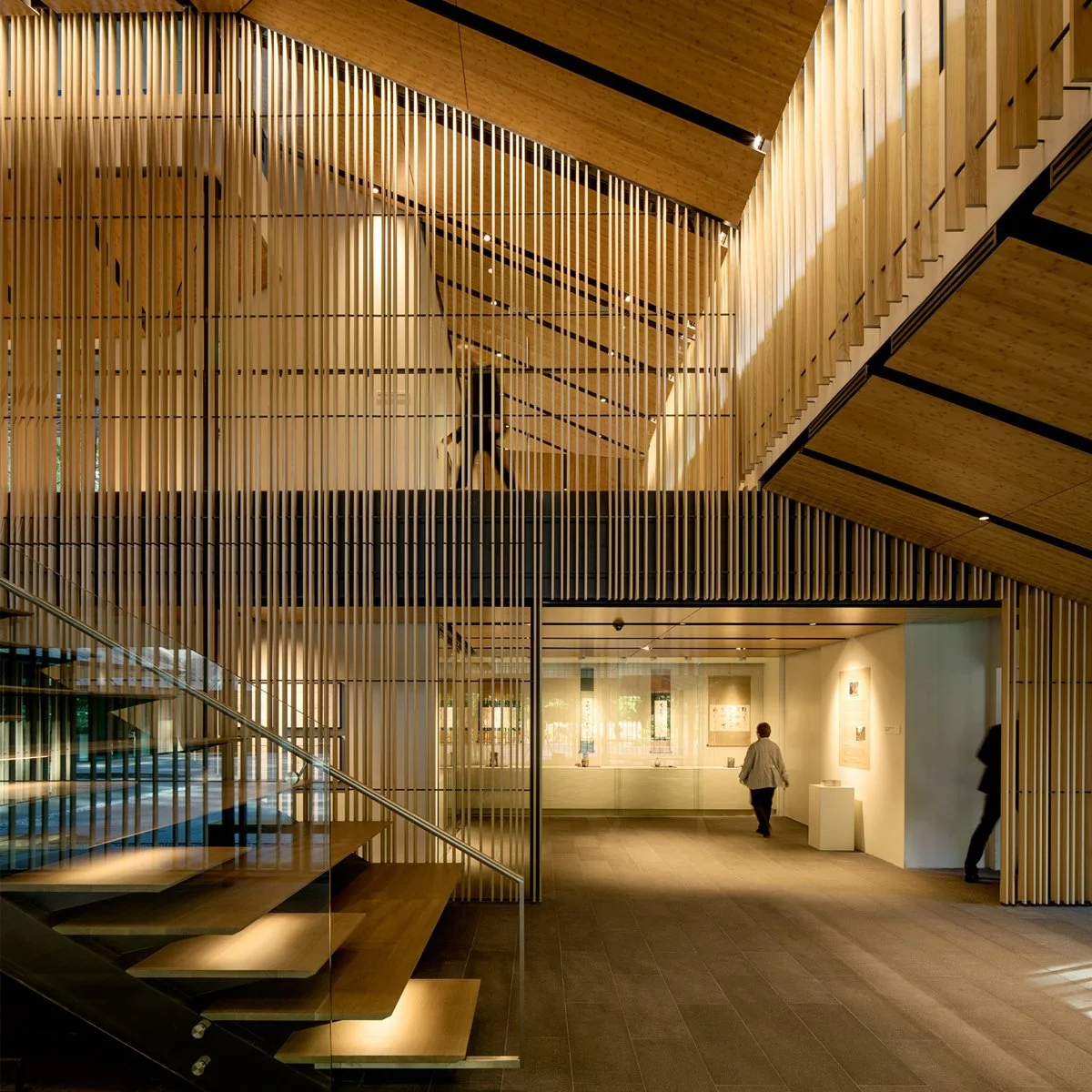
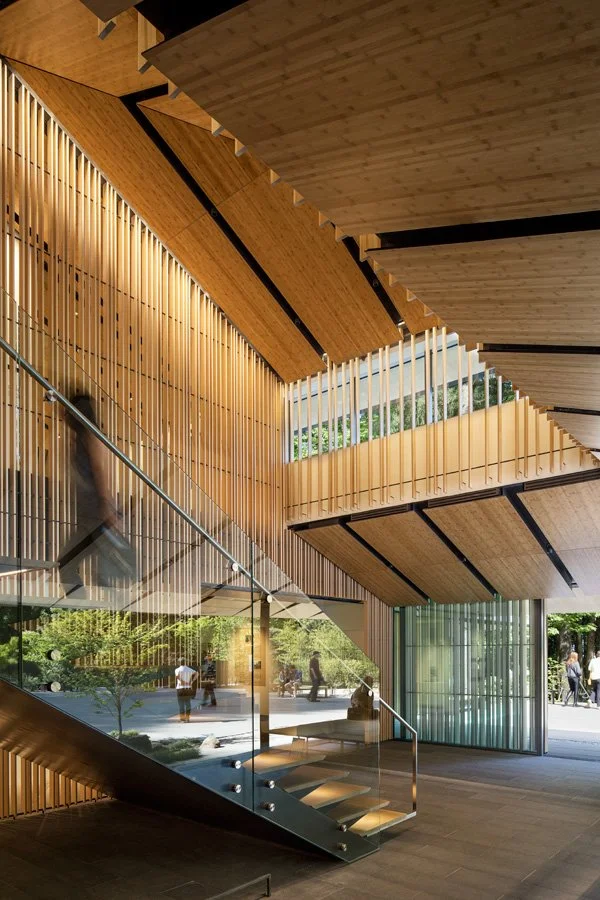
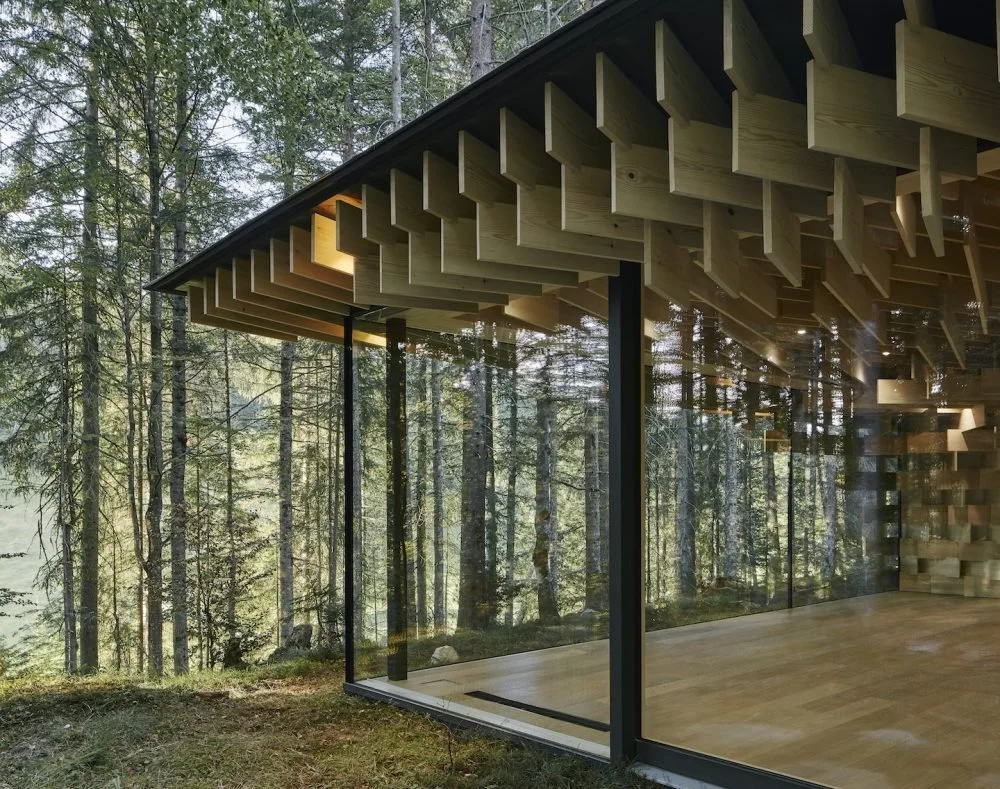
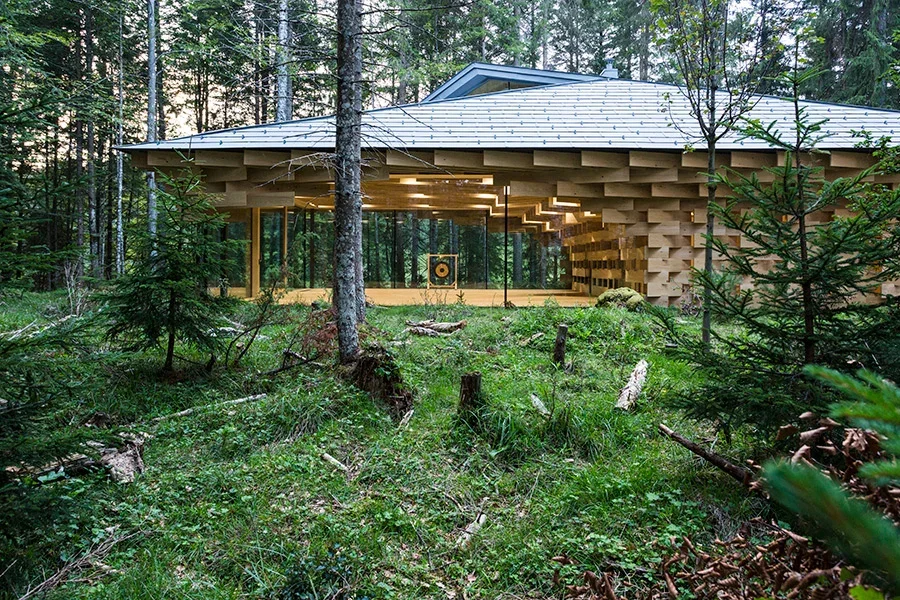
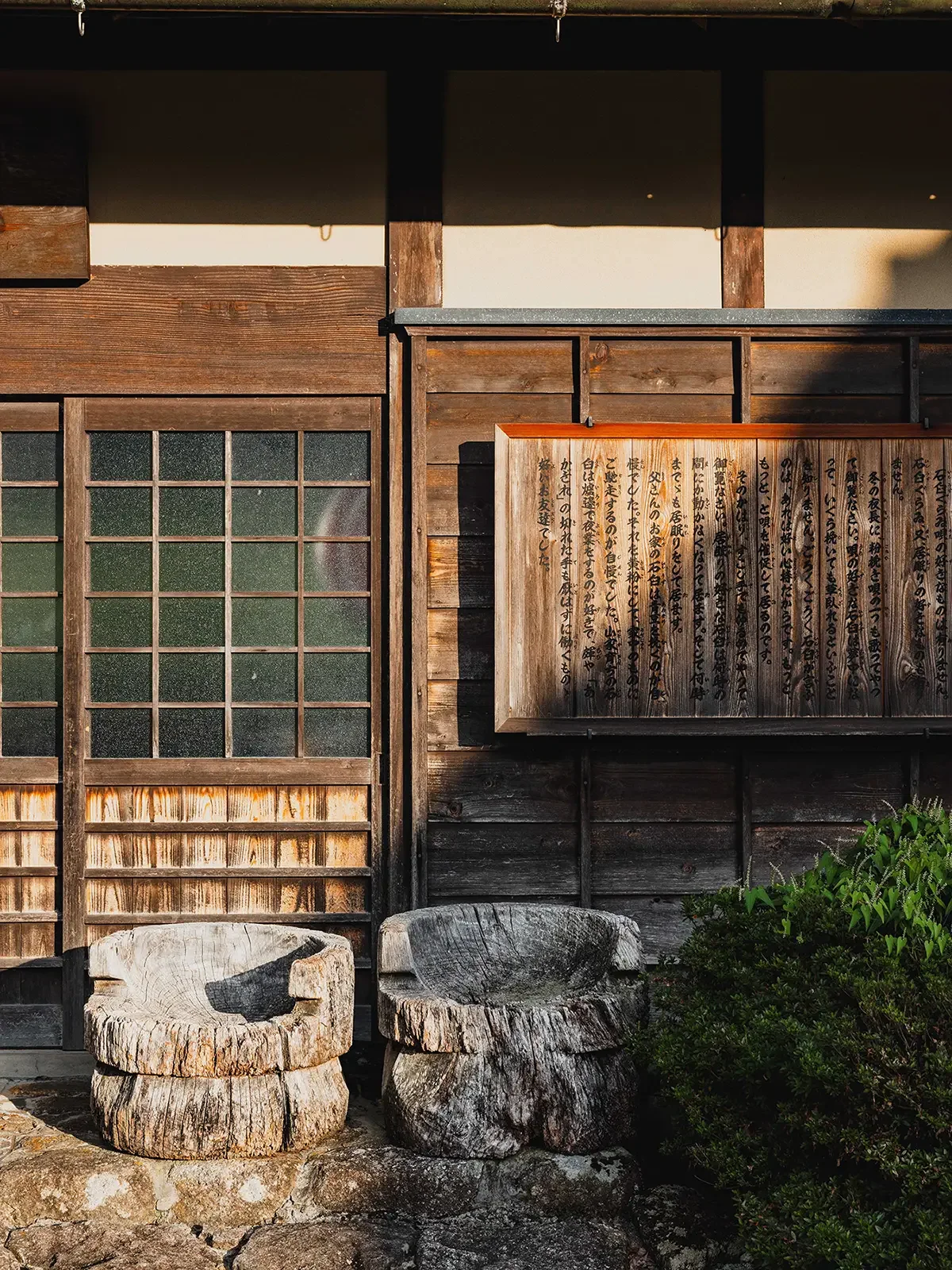
The architecture of our pavilions is quiet: austere, unadorned and deeply influenced by the serenity of traditional Japanese design. All of the pavilions in our Cultural Village are low-slung, single-story structures built primarily from locally sourced wood, stone, and other natural materials. In keeping with the distinctive work of Tokyo-based architect Kengo Kuma, the design is humble and in harmony with the surrounding landscape. In the tradition of rural Japan that shaped Kuma’s early development, the architecture rests lightly on the land and deliberately “dissolves” boundaries between building and nature. Generous windows, sliding panels, and transitional gardens further soften the distinction between interior and exterior spaces, creating a seamless connection to the landscape.
Our Cultural Village
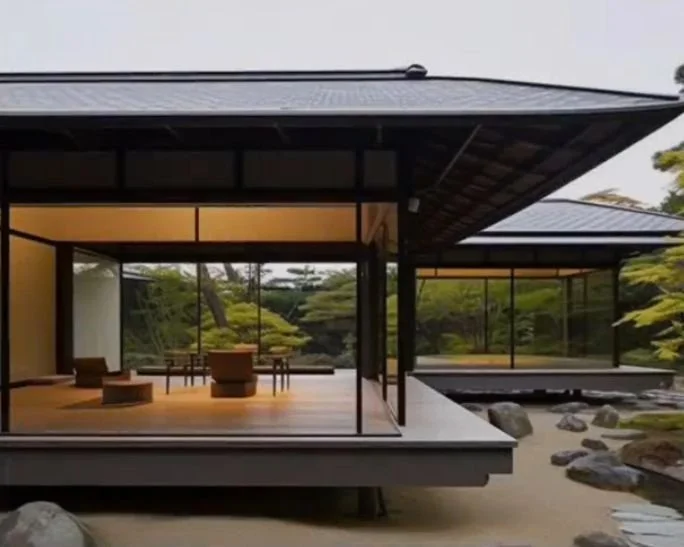
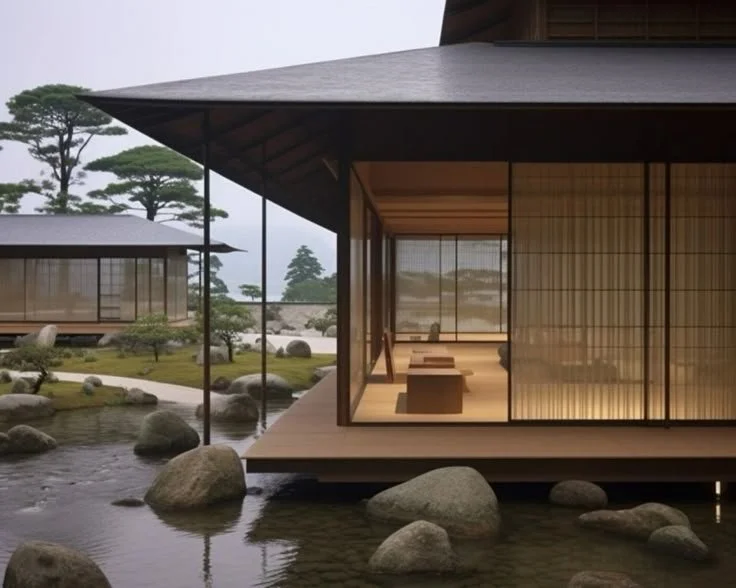
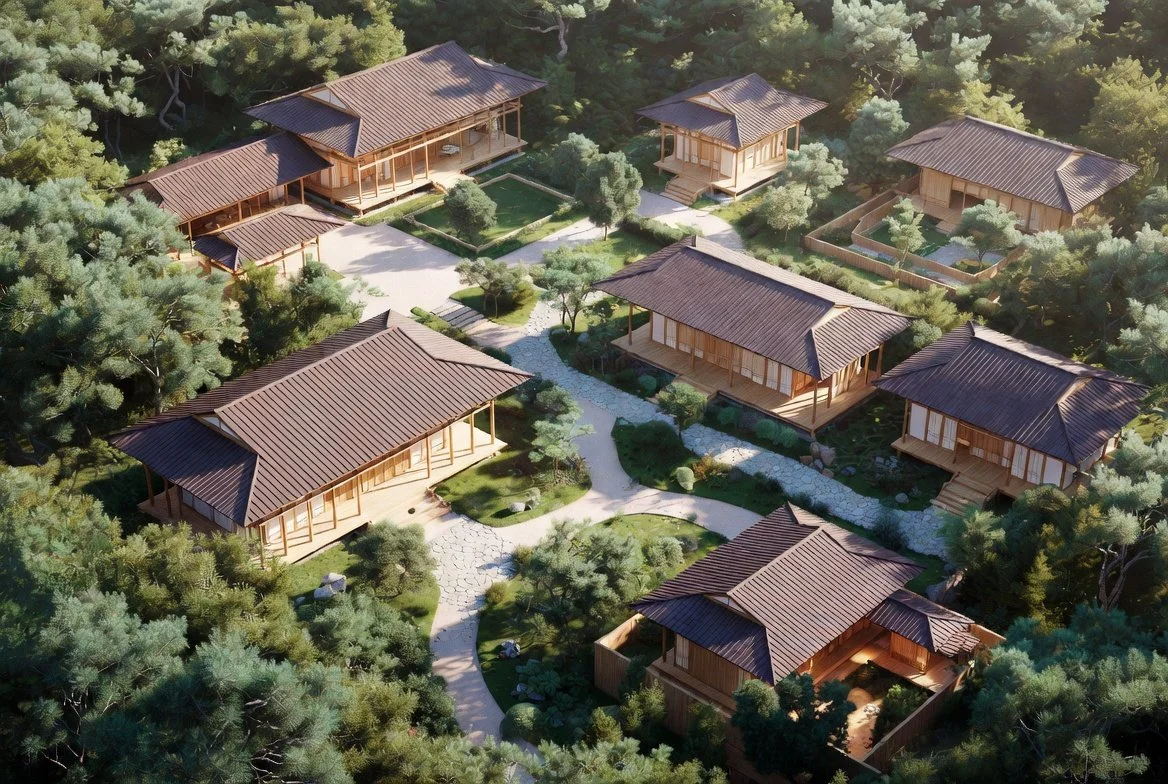
Influenced by the pioneering science of neuroaesthetics and the award-winning work of Kengo Kuma, we have created a “Cultural Village” to house our museum. Instead of a single large building, we designed a series of intimate, detached pavilions surrounded by small gardens and clustered loosely together amidst a serene landscape. The various amenities of a museum — restaurant, museum shop, lecture hall/theater, and library — are each housed in their own pavilion. Three additional small-scale buildings are dedicated to the heart of the complex: our exhibition galleries.
Our village makes for an unhurried, quiet visit amidst a tranquil, natural environment. This design is in keeping with our core philosophy: to truly encounter a great work of art, the experience must take place inside an environment of meditative calm and peaceful serenity — free from distraction, haste, and ideological noise.
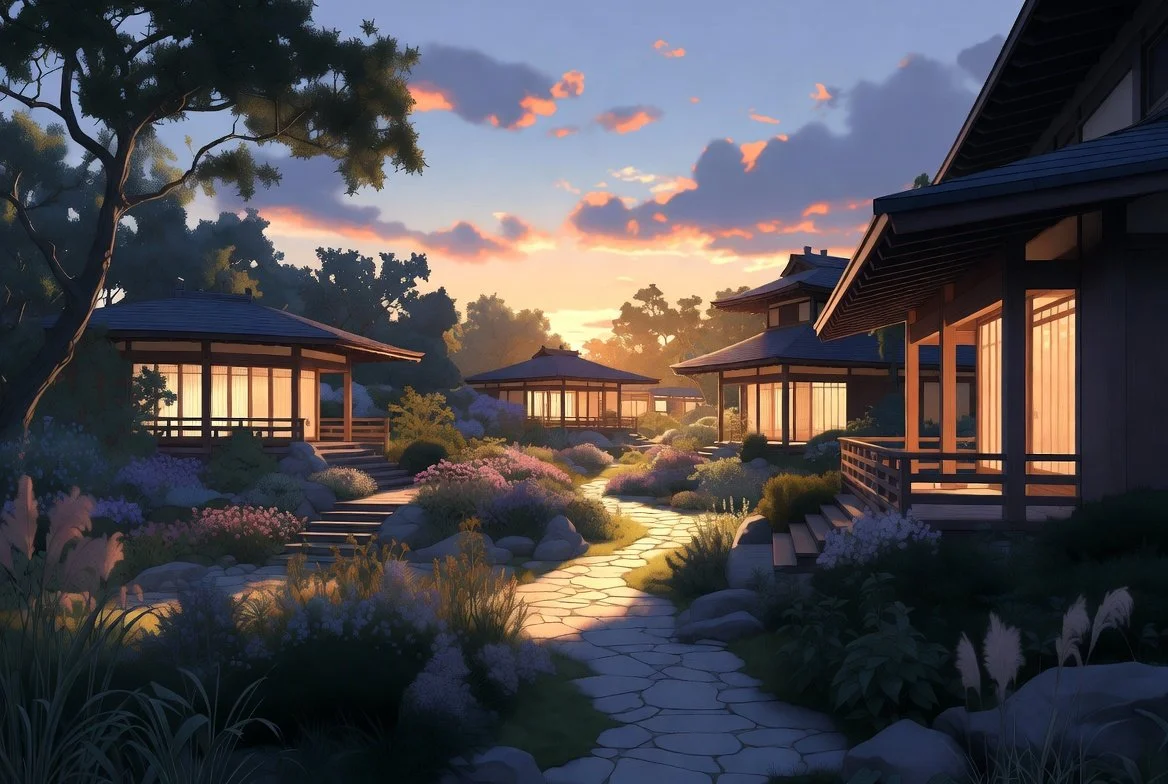
Our Gardens are Restorative and Critical to Every Visit
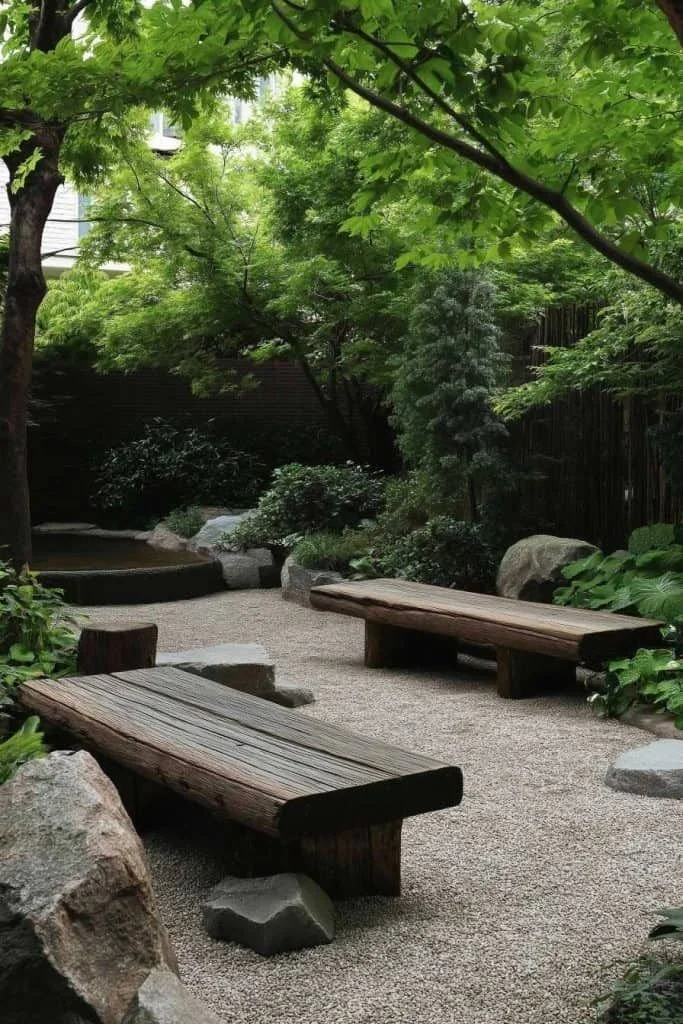
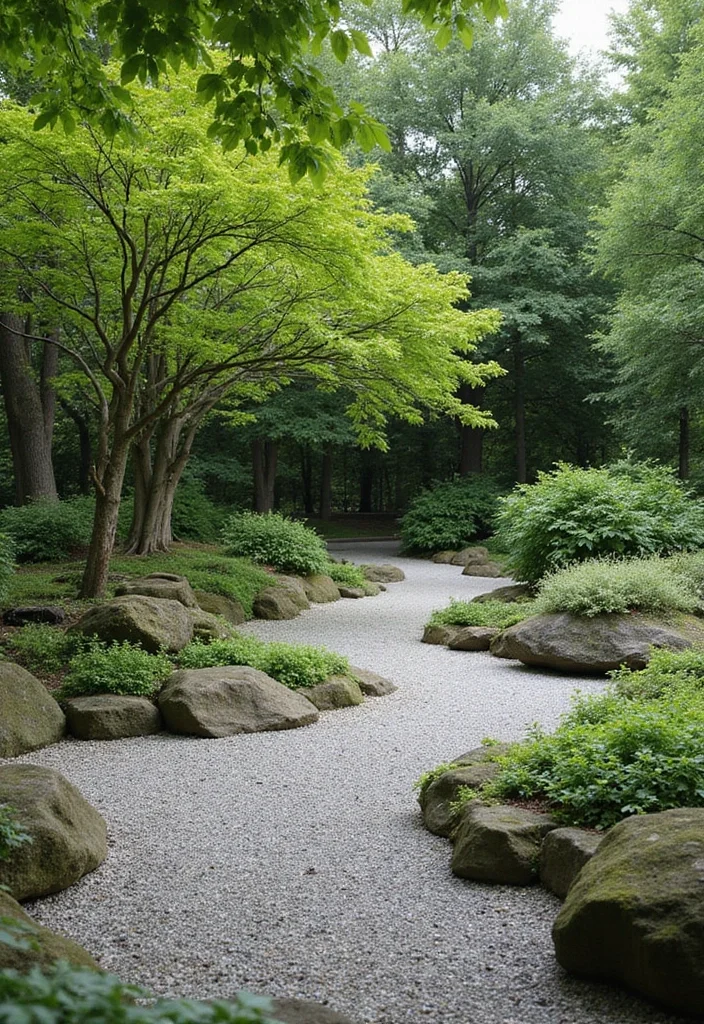
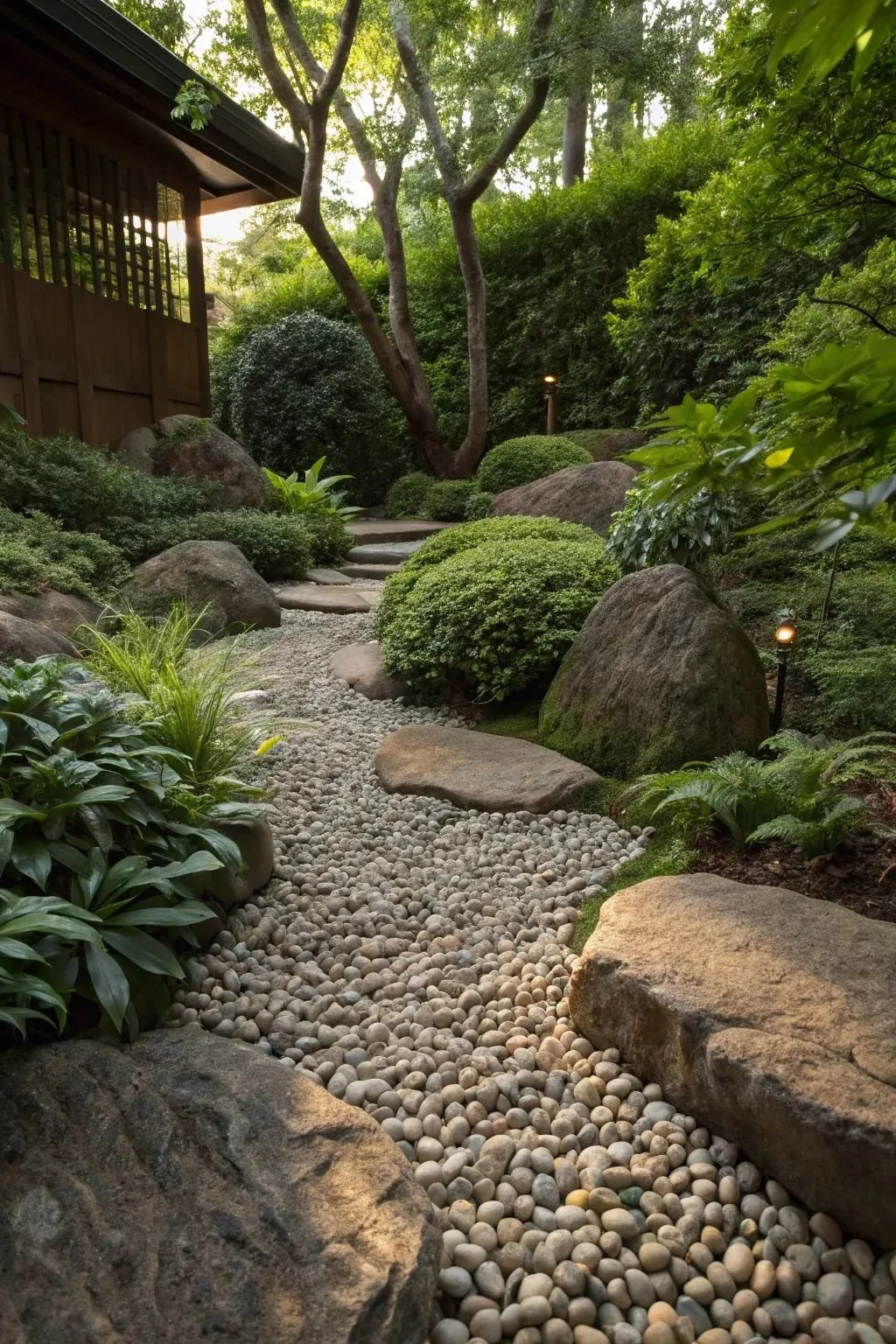
The gardens of our Cultural Village are a critical component of every visit. Visitors move between pavilions along gently winding paths through carefully designed landscapes. After spending time in one of the intimate gallery pavilions, they can step outside into sunlight, greenery, and open air—allowing their attention and senses to reset before entering the next space.
This deliberate rhythm of focused looking followed by restorative breaks is central to our philosophy. It combats museum fatigue, makes returning to a favorite work natural and inviting, and enables the shift from initial discovery to deeper, more rewarding inhabitation of the artwork.
The Origins Approach to Exhibitions is Unique
The ORIGINS approach to exhibitions is fundamentally different. We apply a single, unwavering criterion when selecting works for exhibition: formal excellence. Our exhibitions are not bound by historical narrative, biography, epoch, or stylistic consistency. The sole requirement is that each object we exhibit stand as an individual masterpiece. Directed by this one principle, meaning arises not from subject matter—which is inevitably tied to the tastes and concerns of its time—but from the universal and timeless appeal of expressive form itself. Large, obtrusive explanatory panels of text are not needed. Simply enter a highly nuanced environment constructed for one purpose: to allow the viewer to quietly and effortlessly encounter the ineffable beauty of a great masterpiece.
Inspired by the Quiet Elegance of Renzo Piano’s Galleries
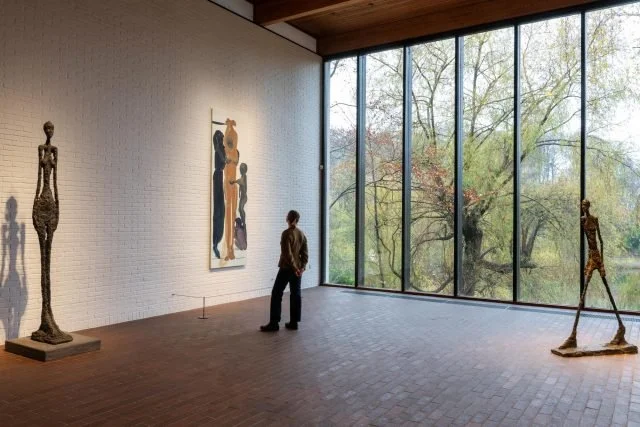
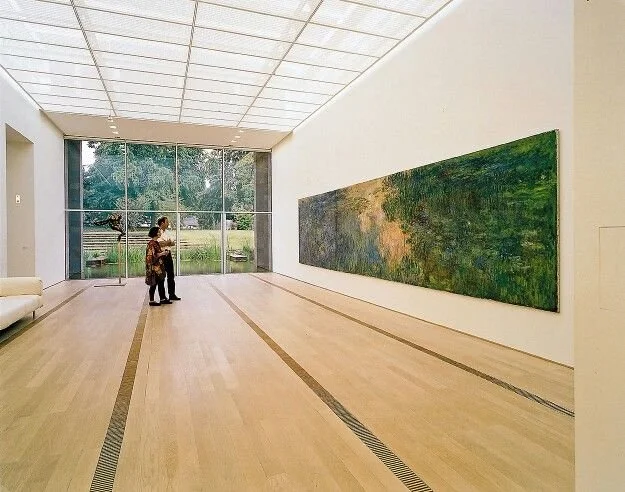
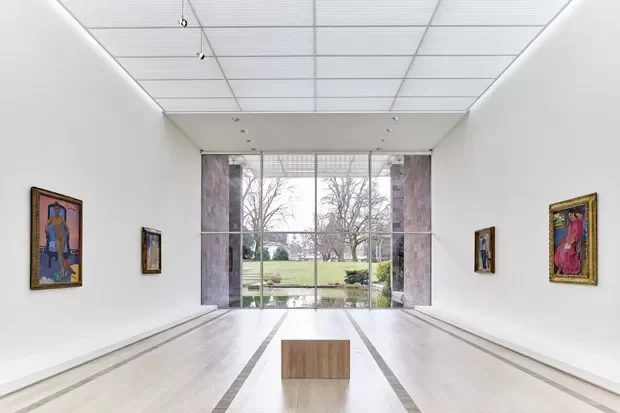
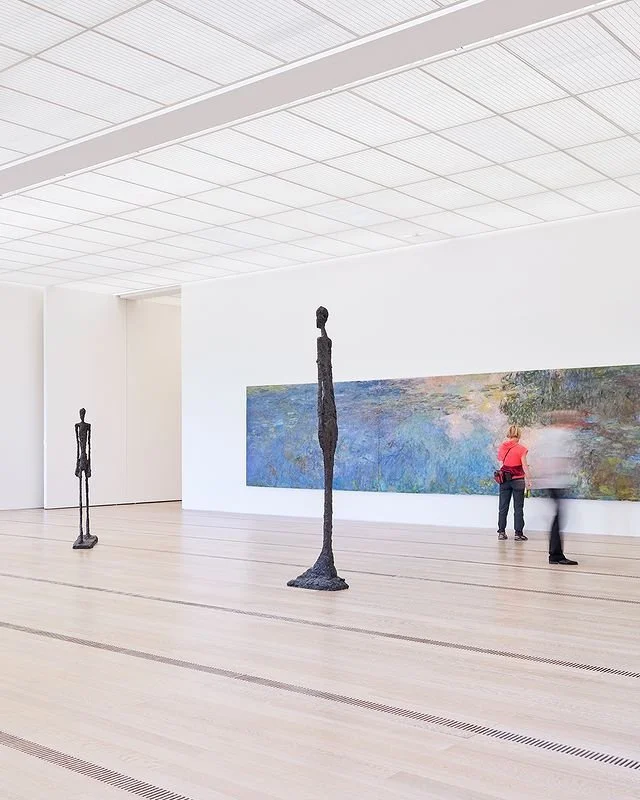
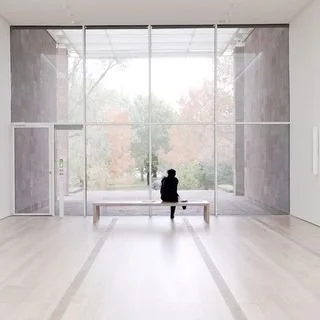
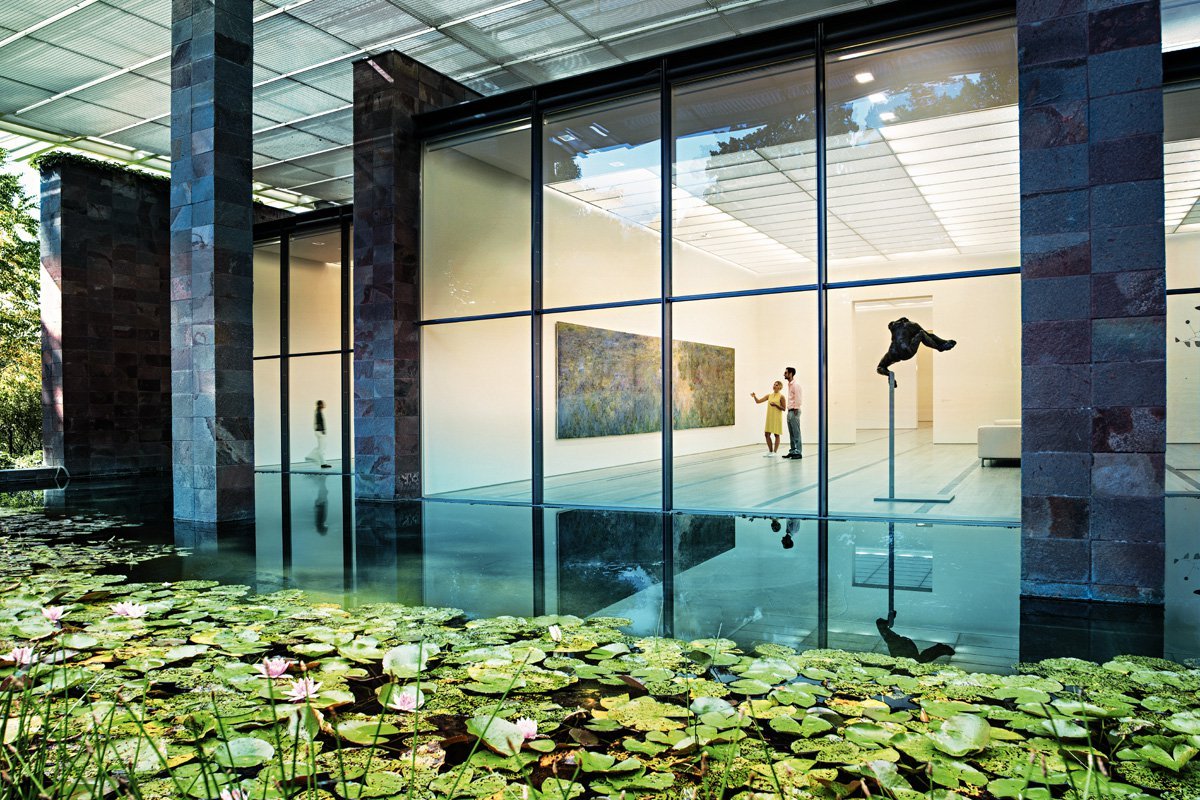
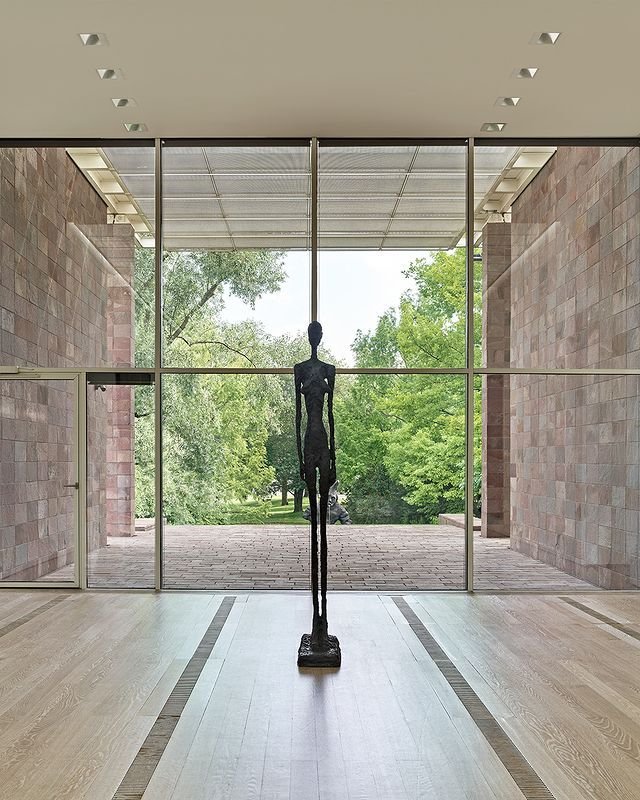
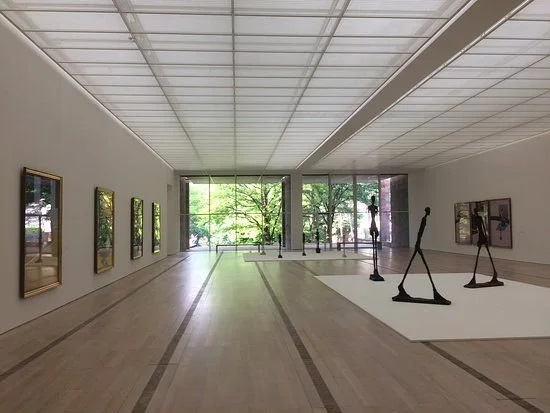
Each gallery is deliberately modest in size — quiet spaces free from echo and clamor. They are designed to hold no more than 10 carefully selected masterpieces at any one time. Inspired by the quiet elegance of Renzo Piano’s galleries at the Fondation Beyeler in Basel, our spaces feature abundant, diffused natural light that shifts gently throughout the day. Generous areas of glazing not only bring soft sunlight into the galleries but also offer visitors calming views of the surrounding gardens. The warm use of wood and stone throughout further emphasizes our commitment to natural materials, creating an environment that feels both humble and harmonious with the landscape.
Kengo Kuma
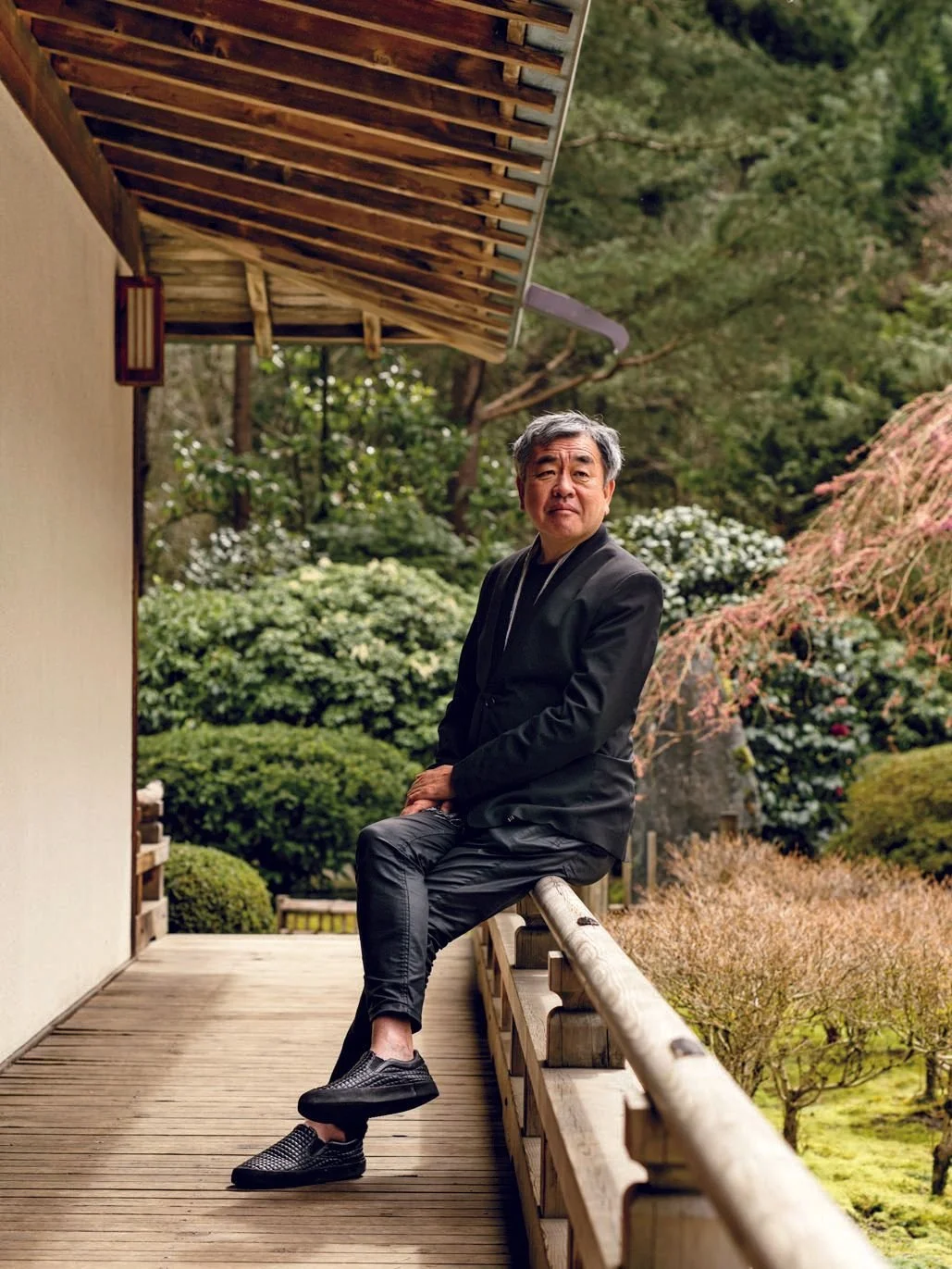
The Japanese influence is evident throughout our architectural and garden designs. This is no accident. We have deep respect for the work of the Tokyo-based architect Kengo Kuma. His 2017 design for the cultural village at the Portland Japanese Garden earned him international acclaim and numerous awards, and he was recently selected for the prestigious expansion of London’s National Gallery.
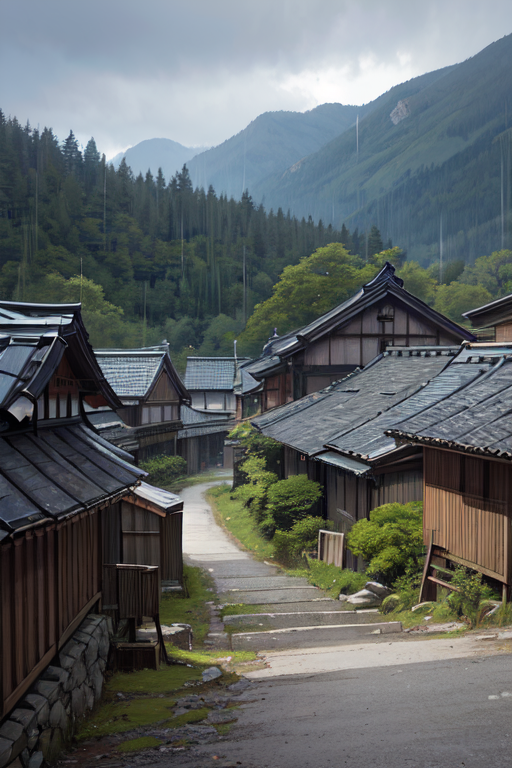
Although not the first to develop a cultural village concept — its origins date back to the late 19th century — Kuma masterfully combined it with traditional Japanese monzenmachi, the towns that historically developed just outside the gates of sacred shrines and temples.
Kuma Immersed Himself in Rural Traditions
Disenchanted with the imposing concrete structures he designed early in his career, Kuma retreated to the Japanese countryside and immersed himself in rural traditions. Surrounded by dense forests, he came to appreciate the humility and human scale of traditional village architecture. He was drawn to the extensive use of natural materials such as wood and stone, and he learned to “dissolve” boundaries between the built environment and the surrounding landscape. This philosophy led him to abandon the monumental “object” architecture common in Western museum design in favor of the more harmonious and intimate “Cultural Village” model.
Our Meditation Pavilion: A Space for Reflection
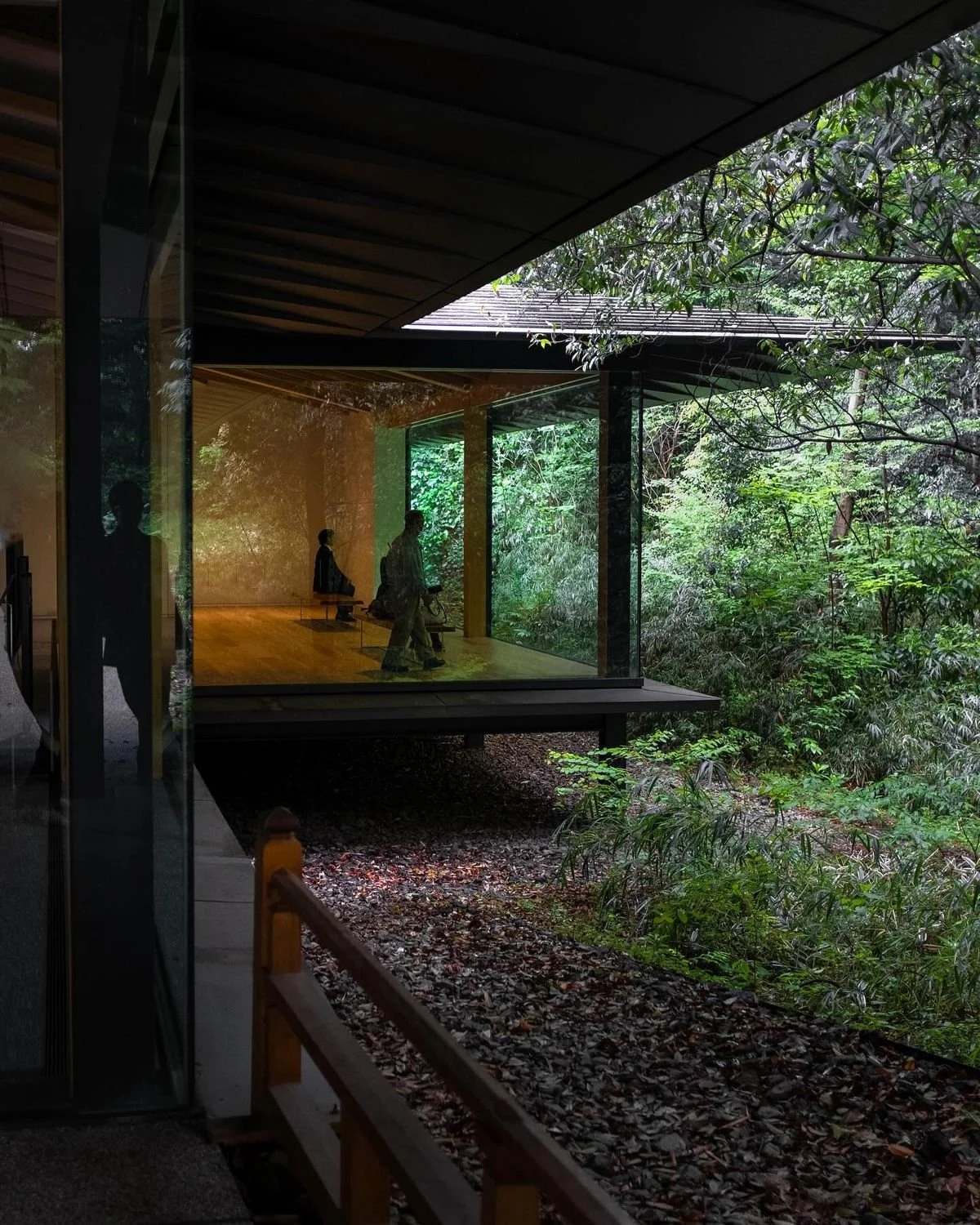
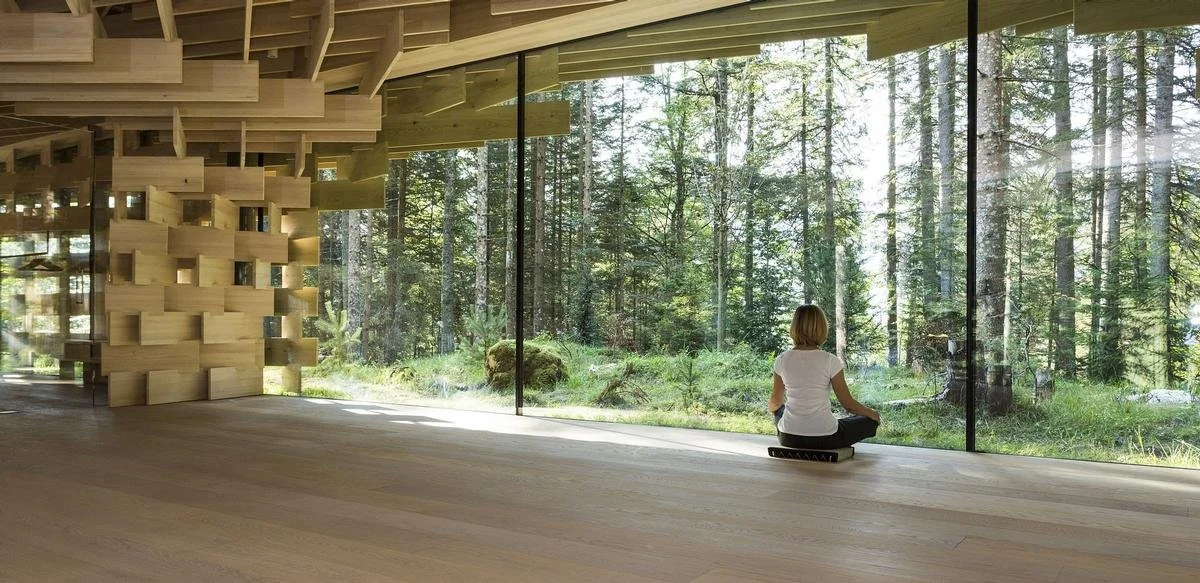
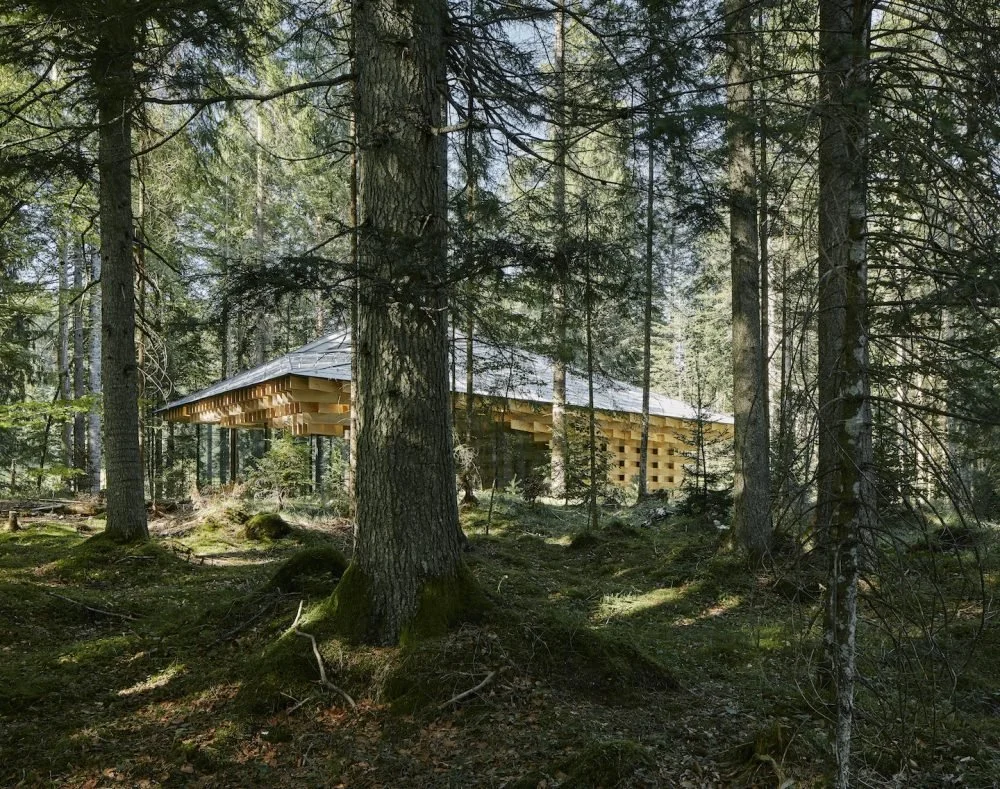
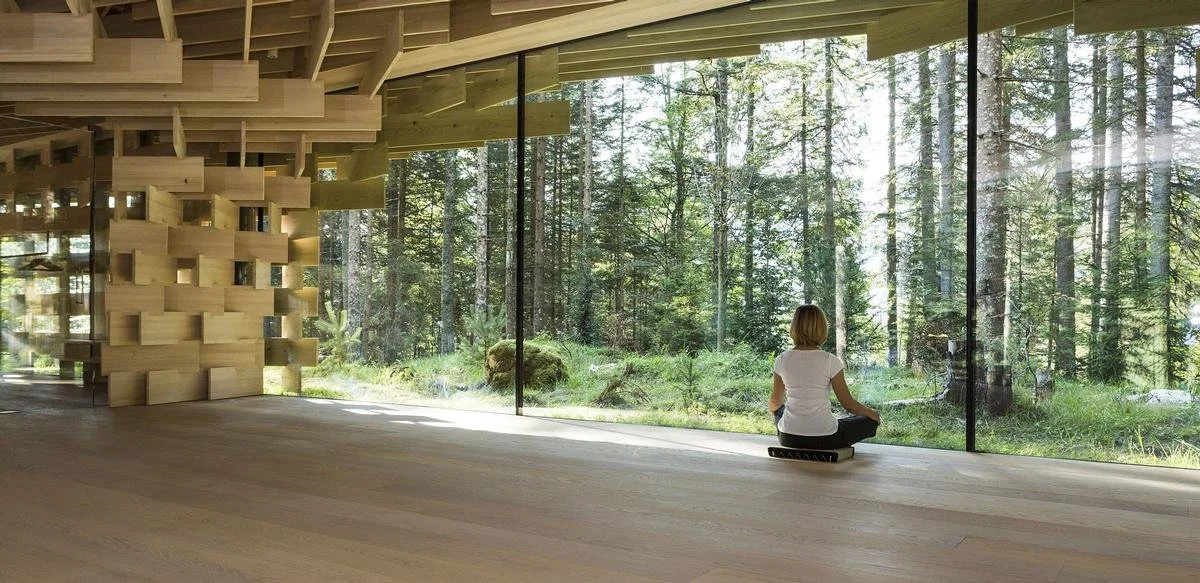
Tucked quietly in a grove of trees away from the heart of the Cultural Village is a small, dedicated meditation pavilion — a serene sanctuary intentionally designed as a place of deep contemplation and integration. After spending time in our gallery pavilions, visitors are invited to step into the calm serenity of this space. Here, surrounded by soft natural light, simple materials, and views to the surrounding grove, they can reflect and enjoy the lingering effects of the aesthetic experience.
A Richer and Transformative Visit
This is not an afterthought but a critical part of our philosophy. The meditation pavilion gives the mind and nervous system time to rest and process after a visit to our galleries. In our fast-paced world, we rarely allow ourselves the luxury of simply being with an experience. Yet it is often in these quiet moments of integration that the full power of a great work of art truly reveals itself—when the initial emotional impact settles into something deeper: a lasting sense of resonance, clarity, and completeness. The space is intentionally minimal—no distractions, no explanatory text, no agenda. The viewer can simply be present with whatever the artwork has awakened in them.
By incorporating this meditative pause between, before or after gallery visits, we honor a neurological reality: profound aesthetic experiences benefit from periods of restorative calm and introspection. The result is a richer, more transformative visit—one in which art is not merely seen, but deeply felt and remembered.
A Practicum in Museum Design: Museum Fatigue
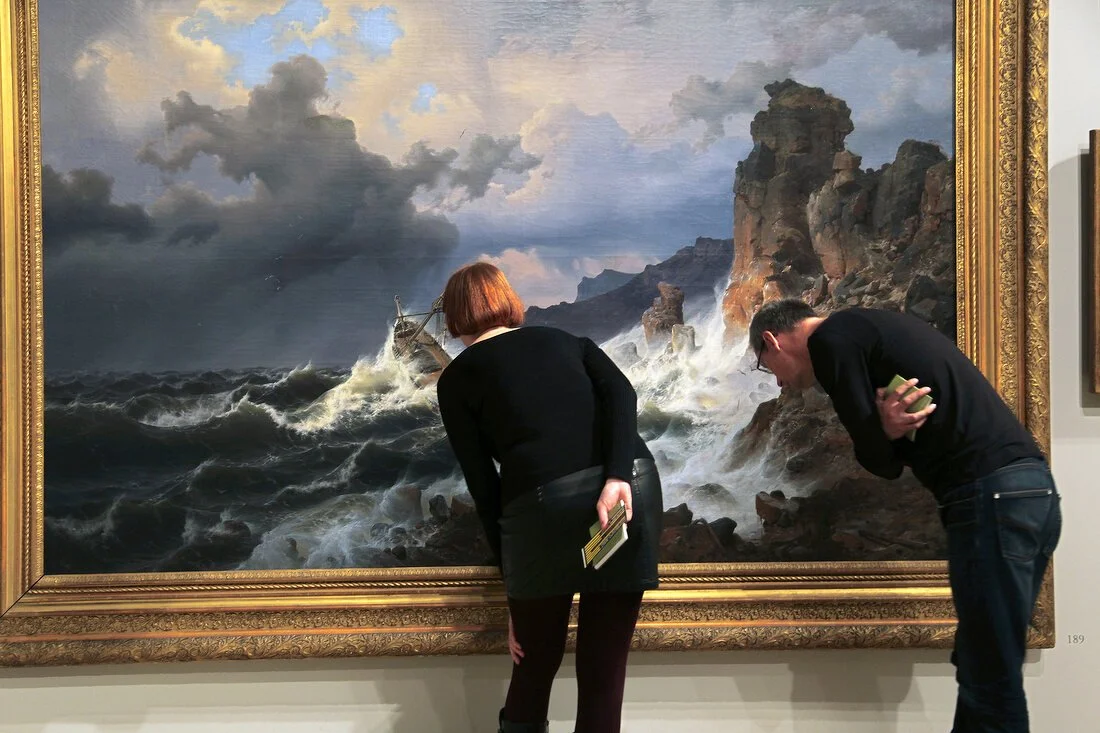
Our first practical question was one of scale: How many works can a person truly see before attention and emotional engagement begin to collapse? We were surprised to discover an entire field of study devoted to “museum fatigue.” Research dating back to 1916 consistently shows that cognitive exhaustion and a sharp drop in visual attention set in after roughly thirty to forty-five minutes.
A typical museum visit follows a predictable pattern:
0–20 Minutes (The Golden Window): Full capacity for deep, concentrated looking. Visitors spend meaningful time with individual works.
30 Minutes (The Cognitive Cliff): Fatigue sets in. Attention plummets; viewers begin skimming, spending only seconds per object.
45 Minutes (The Defensiveness Phase): Emotional engagement collapses. The brain actively resists more “framed rectangles.” Masterpieces blur together. Visitors accelerate toward exits, benches, or cafés in search of relief.
At this final stage, the brain is actively protesting: “Please, no more framed objects on the wall. No more rectangles!” In fact, all those rectangles begin to look exactly alike. The visitor begins walking right past masterpieces because their pace has picked up—their brain is desperate for a break. It is no longer looking at the art; it is entirely concentrated on finding a bench, a café, or an exit. Anything to provide immediate relief.
A Practicum in Museum Design: Can the Brain “Reset”?
Science proves that human beings cannot digest a massive buffet of art.
We are built to experience art one pure, isolated moment at a time, and our capacity for it has a clear, definitive endpoint.
This reality led us to a surprising conclusion: our museum doesn’t have to be very big. There is absolutely no need for hundreds of artworks and thousands of square feet of sprawling gallery space. In fact, in the context of museums, “less is more.” Small buildings and highly edited collections of artwork function beautifully.
Human physiology naturally finds the greatest pleasure and resonance in museum spaces of an intimate, smaller scale—which, by definition, leads to visits with a vastly higher degree of emotional satisfaction.
But then we asked another question: Can the brain reset? What if the viewer, after spending forty-five minutes with a masterpiece, walks out into a beautiful, sunlit garden—perhaps for just a few minutes? What happens to their neural circuitry when the visual horizon changes entirely?
This is where the story gets really fascinating.


A Practicum in Museum Design: The Return Visit
Many visitors will encounter a work that moves them deeply, walk away, and then deliberately—often at the cost of great effort—backtrack to see it again. The brain remembers the initial exhilaration and wants to know: Will it happen again? Will the experience be the same, or different?
What it discovers is something richer. The first encounter is about discovery. The second is about inhabitation.
On the initial viewing, the brain’s ancient visual systems run a rapid diagnostic: What is this? Is it balanced? Is it safe? Does it challenge my sense of space? Once that foundational assessment is complete and the visitor returns, novelty gives way to something far more valuable — psychological safety.
In this relaxed state, the nervous system lowers its guard. Actual physiological shifts occur:
Heart rate slows.
Breathing deepens.
The brain enters the Default Mode Network (DMN), the neural state linked to self-reflection, memory integration, and a sense of timelessness.
Returning to the artwork in this relaxed, familiar state is absolutely critical. You carry the residual echoes of your thoughts and memories back to the viewing experience. The artwork becomes a mirror. You look at the unchanging form of the masterpiece, but because your internal state has shifted, you see how your own internal life fits into that form a second time. The first look is focused on impact—the form strikes the body. The second look is an echo—the form reverberates inside the viewer. You lose the shock of the new, but you gain the resonance of the familiar.This second look is transformative. You bring your shifting thoughts, memories, and emotions back to the unchanging form of the masterpiece. The artwork becomes a mirror.
The first encounter strikes the body. The return reverberates within it. You lose the shock of the new, but you gain the deep resonance of the familiar.